The Silk Road: A Journey Through Time
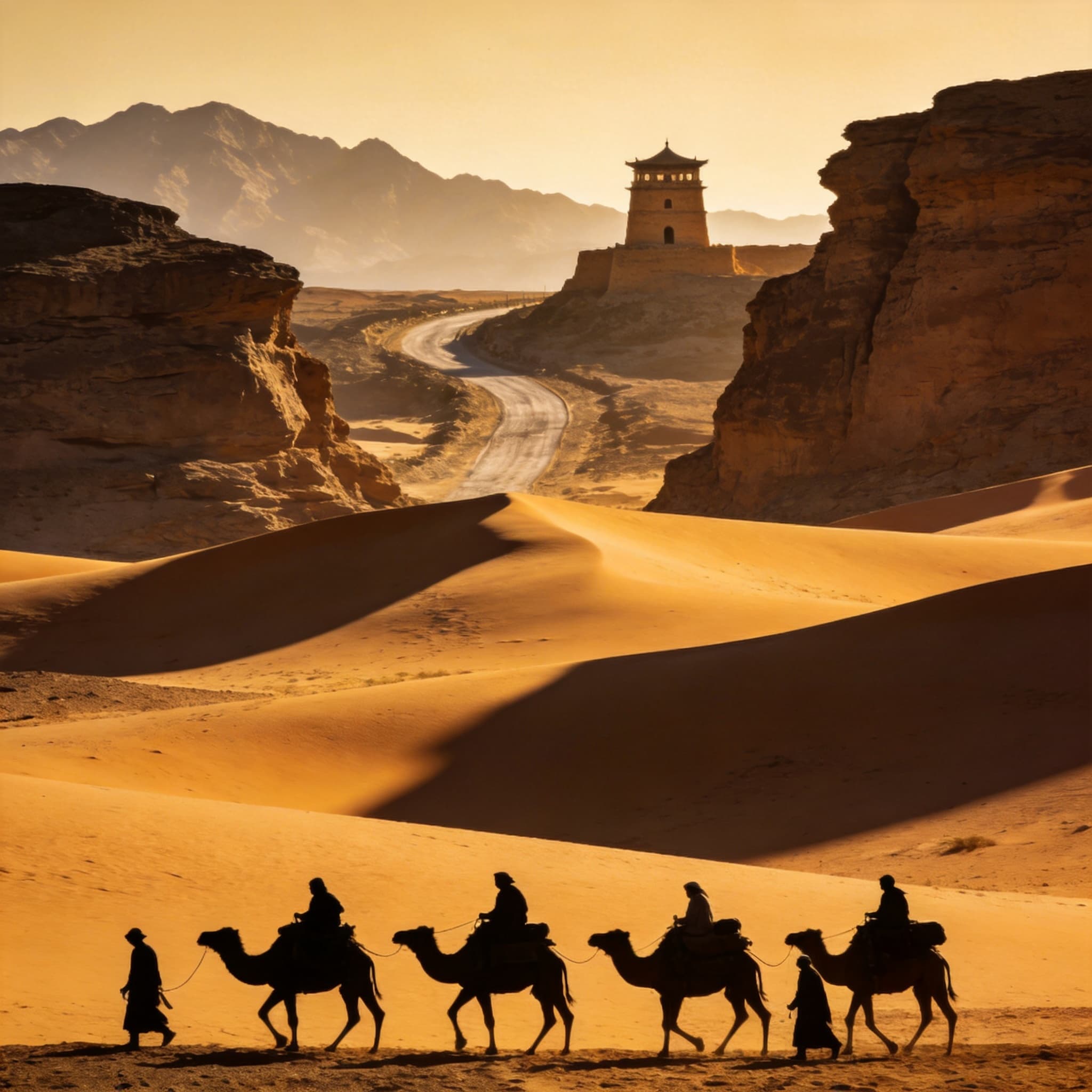
The Silk Road was not a single road, but a vast network of trade routes that connected China with Central Asia, the Middle East, Europe, and beyond. For centuries, merchants, monks, diplomats, artists, and explorers traveled across deserts, mountain passes, grasslands, and ancient cities. Silk was one of the most famous goods traded along these routes, but the Silk Road also carried spices, tea, horses, glassware, religions, languages, art, music, and new ideas.
Today, a journey along the Chinese section of the Silk Road is one of the most rewarding travel experiences in Asia. It takes you from the ancient capital of Xi’an to the oasis cities of Xinjiang, passing Buddhist grottoes, desert landscapes, historic forts, colorful markets, and communities shaped by many different cultures.
This itinerary focuses on five important stops: Xi’an, Dunhuang, Jiayuguan, Turpan, and Kashgar. Together, they offer a fascinating introduction to the history, landscapes, architecture, and cultural diversity of the Silk Road.
Why Travel the Silk Road?
Traveling the Silk Road is about much more than visiting historical sites. It is an opportunity to see how geography shaped human civilization. Deserts forced travelers to move between oasis towns. Mountains created difficult but important passageways. Forts protected trade routes, while markets became places where cultures met and mixed.
Along the way, you can experience:
- Ancient capitals and imperial history
- Buddhist art and cave temples
- Desert dunes and oasis landscapes
- Sections of the Great Wall and frontier fortresses
- Traditional bazaars and local markets
- Uyghur food, music, crafts, and architecture
- Ancient ruins that reveal the rise and decline of Silk Road cities
- Some of the most dramatic landscapes in northwestern China
Key Stops
1. Xi’an: The Eastern Gateway of the Silk Road
Xi’an was the starting point of the ancient Silk Road in China. Known historically as Chang’an, the city served as the capital of several powerful Chinese dynasties, including the Han and Tang dynasties. During the Tang Dynasty, Chang’an was one of the largest and most cosmopolitan cities in the world. Traders, scholars, diplomats, and religious travelers arrived from Central Asia, Persia, India, and other regions.
For many travelers, Xi’an is the ideal place to begin a Silk Road journey because it provides essential historical context. The city shows how China’s imperial power connected with the wider world through trade, diplomacy, and cultural exchange.
Highlights in Xi’an
Terracotta Army
The Terracotta Army is one of China’s most famous archaeological discoveries. Located outside the city, it consists of thousands of life-sized clay soldiers, horses, and chariots created to guard the tomb of Qin Shi Huang, the first emperor of China.
Each soldier has different facial features, hairstyles, and clothing details. The site reveals the extraordinary military organization and artistic skill of the Qin Dynasty. Although it predates the Silk Road, it helps visitors understand the political strength that later allowed China to expand westward.
Xi’an City Wall
The Xi’an City Wall is one of the best-preserved ancient city walls in China. You can walk or rent a bicycle on top of the wall, which offers views of both the historic center and the modern city beyond it.
The wall is especially pleasant in the late afternoon or early evening, when the temperature is cooler and the city lights begin to appear.
Muslim Quarter
The Muslim Quarter is one of the liveliest areas in Xi’an. It reflects the long history of cultural exchange between Han Chinese and Muslim communities along the Silk Road. The narrow streets are filled with food stalls, restaurants, souvenir shops, and local specialties.
Popular foods include:
- Yangrou paomo, a lamb and flatbread soup
- Roujiamo, often called a Chinese-style meat sandwich
- Hand-pulled noodles
- Persimmon cakes
- Grilled lamb skewers
- Sweet rice desserts
Great Mosque of Xi’an
The Great Mosque of Xi’an is one of the oldest and most distinctive mosques in China. Unlike many mosques in the Middle East, it combines Islamic religious functions with traditional Chinese courtyard architecture, wooden pavilions, and decorative roofs.
It is a powerful example of how Silk Road cultures adapted to local Chinese traditions.
Recommended stay: 2 to 3 days
2. Dunhuang: Art, Caves, and Desert Dreams
Dunhuang is one of the most magical stops on the Silk Road. Located at the edge of the Gobi Desert, it was once a major oasis town where travelers rested, traded goods, and prepared for dangerous desert crossings.
Dunhuang became especially important because of its role in the spread of Buddhism from India and Central Asia into China. Its most famous attraction, the Mogao Caves, contains some of the world’s greatest collections of Buddhist art.
Highlights in Dunhuang
Mogao Caves
The Mogao Caves, also known as the Thousand Buddha Caves, are a UNESCO World Heritage Site. The complex includes hundreds of caves carved into a cliff face, with murals, statues, and religious paintings created over a period of more than one thousand years.
The artwork shows the influence of Indian, Central Asian, Persian, and Chinese traditions. Visitors can see how Buddhist imagery changed as it traveled across cultures and adapted to local styles.
Because the caves are extremely fragile, visits are carefully managed. It is important to book tickets in advance, especially during busy travel seasons.
Mingsha Mountain and Crescent Lake
Mingsha Mountain, meaning “Singing Sand Mountain,” is famous for its huge golden dunes. Nearby Crescent Lake is a small oasis-shaped lake surrounded by desert sands. The contrast between water and desert creates one of the most iconic landscapes in northwestern China.
Popular activities include:
- Walking on the sand dunes
- Camel riding
- Sandboarding
- Watching the sunset
- Taking photos of Crescent Lake
- Enjoying desert views from higher points on the dunes
The best time to visit is late afternoon, when the sun is lower and the sand becomes golden.
Dunhuang Night Market
Dunhuang’s night market is a good place to try local food, buy small souvenirs, and experience the relaxed atmosphere of an oasis town after sunset.
Look for:
- Lamb skewers
- Apricot products
- Local noodles
- Dried fruit and nuts
- Handmade crafts
- Silk-inspired souvenirs
Recommended stay: 2 to 3 days
3. Jiayuguan: The Western End of the Great Wall
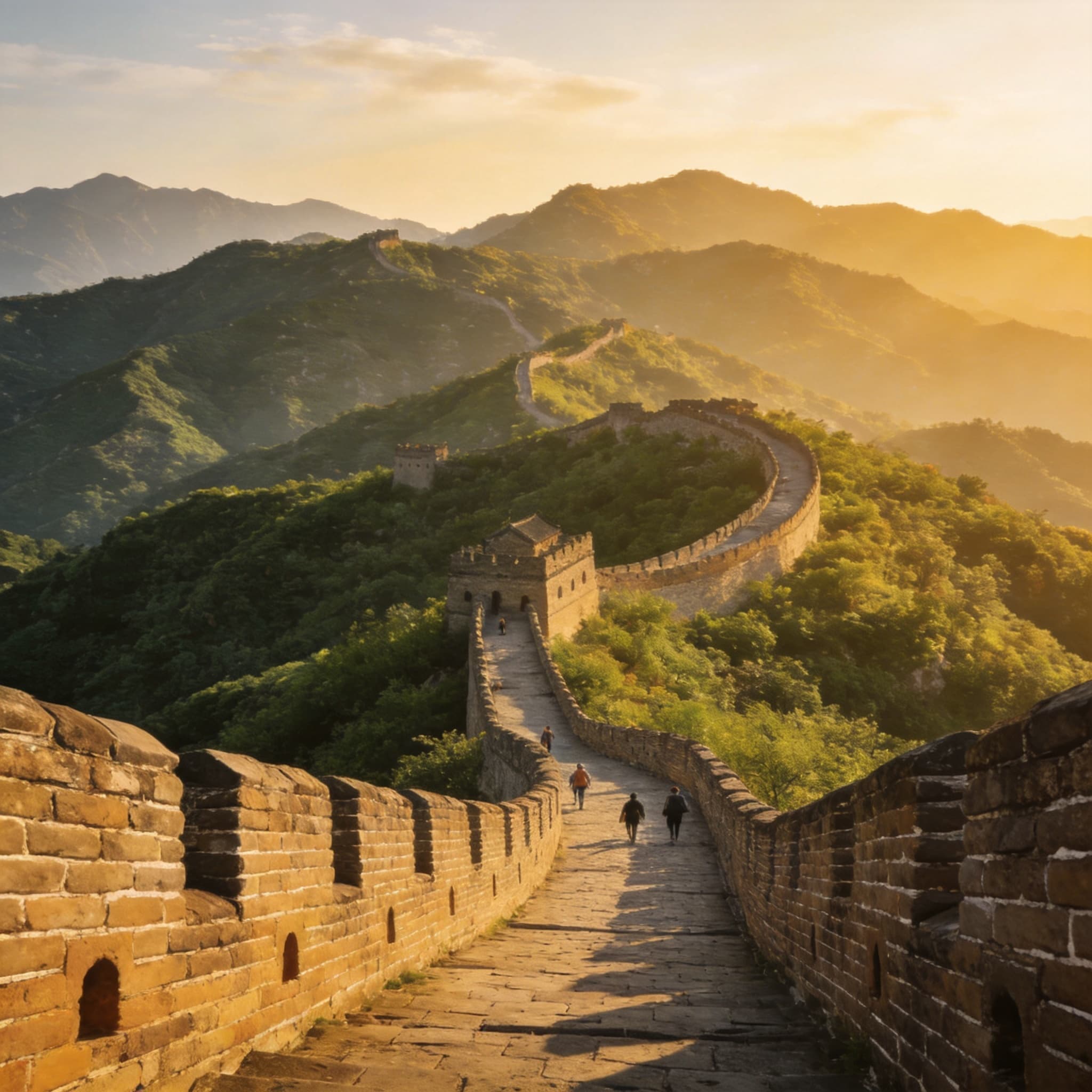
Jiayuguan is famous for Jiayuguan Pass, one of the most important military fortresses on the ancient Great Wall. During the Ming Dynasty, this was considered the western end of the Great Wall and a key gateway between the Chinese heartland and the vast lands to the west.
The fortress is surrounded by open desert and mountains, creating a dramatic sense of isolation. Standing on the walls, it is easy to imagine the challenges faced by soldiers, merchants, and travelers who moved through this frontier region.
Highlights in Jiayuguan
Jiayuguan Fort
Jiayuguan Fort is one of the best-preserved ancient military forts in China. It includes gates, towers, courtyards, barracks, administrative buildings, and defensive walls.
The fort was strategically located along the Hexi Corridor, a narrow and important route between mountains and desert. Anyone traveling west from central China had to pass through this region.
Visitors can walk through the fortress, climb the walls, and explore its gates and watchtowers. The views of the surrounding landscape are especially impressive near sunset.
Overhanging Great Wall
The Overhanging Great Wall is a restored section of the wall built along a steep mountain ridge near Jiayuguan. From a distance, it appears to climb the mountainside like a dragon.
The hike can be physically demanding because of the steep steps, but the view from the top is rewarding. You can see the desert, mountains, fortress, and open frontier landscape.
First Beacon Tower
The First Beacon Tower is located near the edge of a dramatic desert cliff. It was once part of a communication system that used smoke and fire signals to warn of danger.
This site is quieter and more remote than Jiayuguan Fort. It is a good choice for travelers who want to understand the scale of the frontier and take dramatic landscape photos.
Recommended stay: 1 to 2 days
4. Turpan: Oasis Cities, Grapes, and Ancient Ruins
Turpan is one of the most distinctive destinations on the Silk Road. Located in the Xinjiang Uyghur Autonomous Region, it is famous for its extremely dry climate, grape vineyards, ancient ruins, and remarkable irrigation systems.
Turpan sits in a low desert basin and is one of the hottest places in China during summer. However, its oasis agriculture has supported communities for centuries. Grapes, melons, raisins, and other crops grow in the area because of an ingenious underground irrigation network known as the Karez System.
Highlights in Turpan
Jiaohe Ancient City
Jiaohe Ancient City is one of the best-preserved ancient city ruins in China. It was built on a high plateau between two river valleys, making it naturally defensive.
Unlike many ancient cities, Jiaohe was largely carved from the earth itself. Visitors can walk among the remains of streets, homes, temples, government buildings, and city walls. The site gives a strong sense of what an oasis city might have looked like during the height of Silk Road trade.
Gaochang Ancient City
Gaochang was once an important oasis kingdom and a major center of Buddhism. The ruins include the remains of city walls, temples, palaces, residential areas, and administrative buildings.
The scale of Gaochang is impressive, especially when viewed against the open desert landscape. It is best visited in the morning or late afternoon because temperatures can be extremely high in summer.
Karez Well System
The Karez System is an ancient underground irrigation network that brought water from the mountains to the oasis. It includes wells, underground channels, and surface canals.
This engineering system allowed agriculture to survive in a dry and harsh environment. Visiting the Karez sites helps travelers understand why oasis towns such as Turpan became essential stops on the Silk Road.
Grape Valley
Grape Valley is a green oasis area known for vineyards, fruit trees, and traditional Uyghur houses. It is a good place to escape the heat, taste local grapes and raisins, and learn about regional agriculture.
Recommended stay: 2 to 3 days
5. Kashgar: The Living Spirit of the Silk Road
Kashgar is one of the most culturally distinctive cities in China and one of the most memorable destinations on the Silk Road. Located in western Xinjiang near the borders of Central Asia, Kashgar has long been a meeting point for traders, travelers, and cultures.
The city has a strong Uyghur identity, visible in its architecture, food, music, language, crafts, and traditional markets. While modern development has changed parts of Kashgar, the old city and local bazaars still offer a vivid sense of the region’s historical role as a Silk Road crossroads.
Highlights in Kashgar
Kashgar Old City
Kashgar Old City is a maze of narrow lanes, traditional homes, small workshops, mosques, tea houses, and local markets. Walking through the area allows visitors to see everyday life at a slower pace.
Look for handmade pottery, wood carving, metalwork, traditional clothing, bread ovens, tea shops, and neighborhood courtyards. The old city is best explored without rushing. Wander through side streets, stop for tea, and pay attention to the small details of local life.
Id Kah Mosque
Id Kah Mosque is one of the largest and most important mosques in China. Its large yellow facade and central location make it one of Kashgar’s most recognizable landmarks.
The mosque is an important religious and cultural site for the Uyghur community. Visitors should dress respectfully, follow local rules, and be aware that access may change depending on local arrangements.
Kashgar Bazaar
Kashgar’s markets are central to the city’s identity. The bazaars offer everything from spices, nuts, dried fruit, bread, textiles, carpets, tools, clothing, and handmade crafts to livestock and household goods.
The famous Sunday Bazaar has historically been one of the largest and most lively markets in Central Asia. While the market structure and schedules may change, Kashgar remains an excellent place to experience the food, trade, and cultural energy associated with the Silk Road.
Local Uyghur Food
Kashgar is one of the best places in China to try Uyghur cuisine. The food is often based on lamb, beef, noodles, bread, rice, spices, yogurt, and dried fruit.
Popular dishes include:
- Lamb skewers
- Hand-pulled laghman noodles
- Polo, a rice dish with meat and carrots
- Nang bread
- Roasted lamb
- Samsa pastries
- Yogurt drinks
- Dried fruit and nuts
Recommended stay: 3 to 4 days
Practical Tips
Duration: 14 to 21 Days
A Silk Road trip requires time because the distances between destinations are large. A minimum of 14 days is possible if you focus only on the main highlights, but 18 to 21 days is more comfortable and allows for slower travel, rest days, and unexpected schedule changes.
A suggested route could be:
- Xi’an — 2 to 3 days
- Dunhuang — 2 to 3 days
- Jiayuguan — 1 to 2 days
- Turpan — 2 to 3 days
- Kashgar — 3 to 4 days
- Travel days, transfers, and flexible time — 3 to 5 days
Because some destinations are far apart, domestic flights and overnight trains can save time. Plan transportation carefully before your trip.
Best Season: May to October
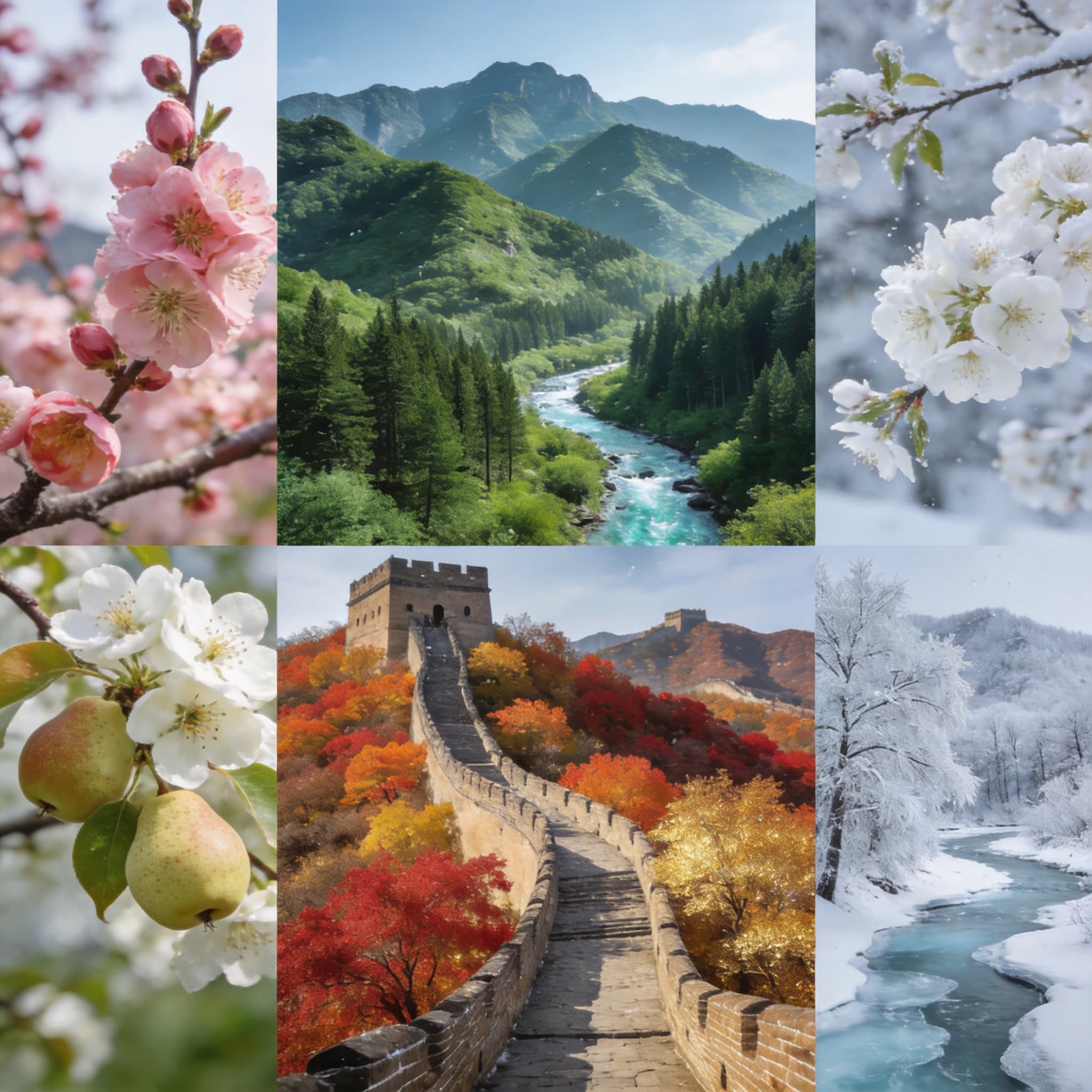
The best time to travel the Silk Road is generally from May to October. During this period, the weather is more suitable for sightseeing, hiking, and long-distance travel.
Spring: May to June
Spring offers milder temperatures, blooming landscapes in some areas, and fewer crowds than the peak summer months. It is a good time for travelers who want comfortable weather.
Summer: July to August
Summer is the busiest period and can be extremely hot in desert areas such as Turpan and Dunhuang. However, it is also a good time for grape harvests, green oasis landscapes, and longer daylight hours.
If traveling in summer:
- Start sightseeing early in the morning
- Avoid long outdoor activities at midday
- Bring sun protection
- Drink plenty of water
- Book hotels and transport in advance
Autumn: September to October
Autumn is often considered the best overall season. Temperatures are more comfortable, the skies are usually clear, and fruit harvests create beautiful colors in oasis regions. It is an excellent time for photography and outdoor exploration.
Budget: $80 to $150 Per Day
A realistic budget for a Silk Road trip is around $80 to $150 per day per person, depending on travel style, accommodation, transportation, and activities.
A mid-range daily budget may include:
- Accommodation: $30 to $70 per night
- Meals: $15 to $35 per day
- Local transportation: $10 to $25 per day
- Attraction tickets: $10 to $40 per day
- Long-distance trains or flights: Additional cost depending on the route
- Guides or private drivers: Additional cost, especially in remote areas
Travelers on a budget can save money by using trains, staying in guesthouses, eating at local restaurants, and joining small group tours. Travelers who prefer comfort may spend more on private transport, higher-end hotels, guided visits, and domestic flights.
Book Transportation in Advance
Distances on the Silk Road are significant, and some routes have limited transport options. Book trains, flights, and long-distance buses in advance, especially during national holidays, summer vacation, and the Golden Week holiday in early October.
It is also helpful to plan airport transfers, station pickups, and day tours before arriving in smaller cities.
Prepare for Climate Differences
The Silk Road route passes through regions with very different weather conditions. You may experience dry desert heat in Turpan, cool evenings in Dunhuang, wind near Jiayuguan, and strong sun in Kashgar.
Pack:
- Comfortable walking shoes
- Light, breathable clothing
- A warm jacket for evenings
- Sunscreen and sunglasses
- A hat
- A reusable water bottle
- Lip balm and moisturizer for dry climates
- Basic medicine and personal supplies
- A small backpack for day trips
Respect Local Culture
The Silk Road is home to many ethnic communities, religious traditions, and regional customs. In Xinjiang, travelers should be especially respectful when visiting mosques, markets, and traditional neighborhoods.
Helpful guidelines include:
- Dress modestly when visiting religious sites
- Ask before taking close-up photos of people
- Follow local rules at mosques and cultural sites
- Respect food customs and religious practices
- Learn a few polite words in Mandarin or Uyghur if possible
- Be patient with security checks and travel procedures
Final Thoughts
A journey along the Silk Road is one of the best ways to understand China beyond its biggest cities. It reveals a world of deserts, mountains, oasis towns, ancient ruins, religious art, frontier fortresses, and multicultural communities.
From the imperial history of Xi’an to the Buddhist murals of Dunhuang, from the Great Wall at Jiayuguan to the vineyards of Turpan, and from the bazaars of Kashgar to the distant mountains of western Xinjiang, every stop adds a new chapter to the story.
The Silk Road is not only a route through space. It is a route through time — a journey that shows how people, goods, beliefs, and ideas moved across continents and helped shape the world we know today.
Advertisement
Planning a trip to Xi'an?
Check out our complete Xi'an destination guide with everything you need to know.
Sponsored link — we may earn a commission at no extra cost to you.
ChinaTravel Editorial Desk
Maintains practical destination and trip-planning information for English-speaking visitors. Time-sensitive details should be checked with official sources.
Compare Current Trip Options
Check live availability and the provider's current terms before booking.
Find Hotels in Xi'anSponsored link — we may earn a commission at no extra cost to you.