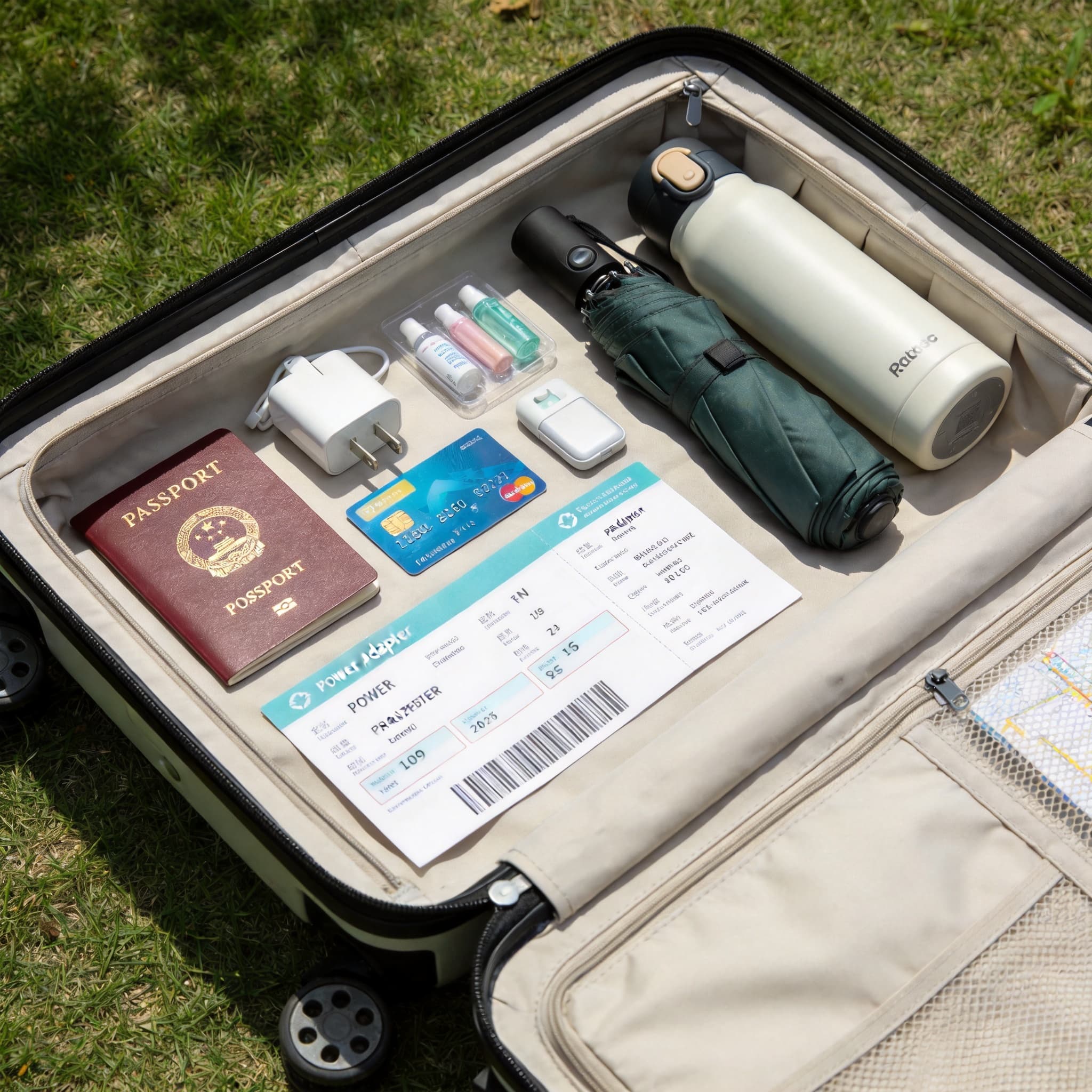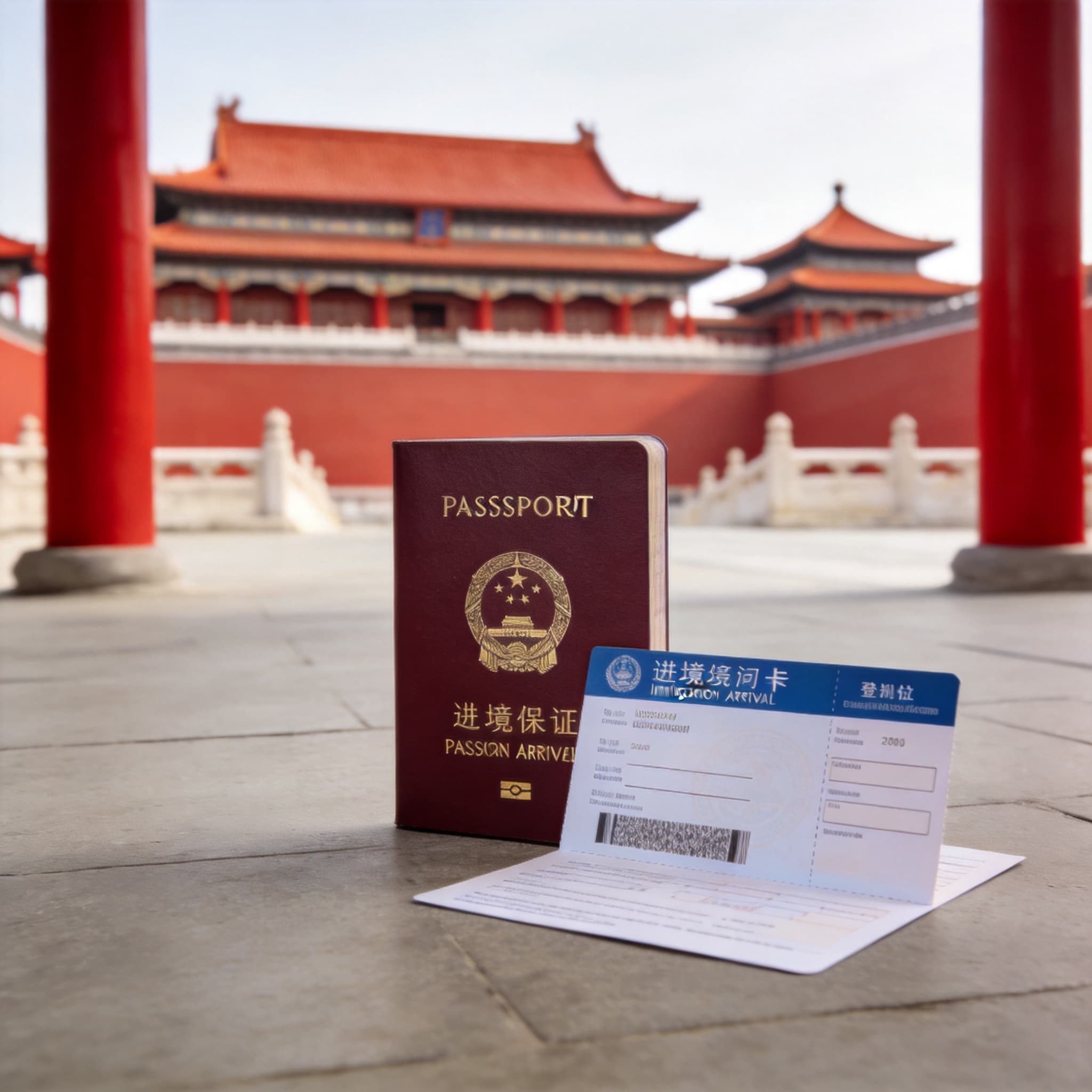
Start Here: Which Entry Route Applies to You?
China does not have one entry rule for every traveler. Your passport nationality, travel purpose, length of stay, route, port of entry, and consular jurisdiction all matter. Before paying for a visa, work through these options in order:
- Unilateral or mutual visa-free entry: available to eligible ordinary-passport holders for permitted short-stay purposes.
- 240-hour visa-free transit: intended for eligible travelers continuing from one country or region to a different third country or region through participating Chinese ports.
- Other regional exemptions: selected destinations or organized itineraries may have separate rules with their own nationality, port, group, and geographic conditions.
- Tourist L visa: the usual route when no exemption applies, your planned stay is longer, or your itinerary does not satisfy transit conditions.
Entry permission is always decided by Chinese border inspection authorities. Verify your case with the National Immigration Administration and the Chinese embassy, consulate, or visa center responsible for your place of residence before buying non-refundable transport.
30-Day Visa-Free Entry
Eligible holders of ordinary passports from participating countries may visit China without a visa for up to 30 days for approved purposes such as tourism, business, family or friend visits, exchange, or transit. The participating-country list and policy end dates can change, and some nationalities are covered by separate mutual agreements.
Before relying on this option, confirm all of the following:
- Your exact passport nationality appears on the current official list
- You hold an ordinary passport rather than a temporary, emergency, diplomatic, service, or other travel document not covered by the policy
- Your purpose is allowed; work, long-term study, journalism, and permanent residence require the appropriate authorization
- Your passport remains valid for the intended stay and onward journey
- You can show accommodation, onward or return transport, and evidence supporting your stated purpose if requested
The permitted period is generally counted from the day after entry under the published policy. Do not assume that repeated entries guarantee admission: each arrival remains subject to border inspection.
240-Hour Visa-Free Transit
The 240-hour transit policy can allow eligible travelers to remain for up to 10 days while travelling through designated areas. It is not a general 10-day visa-free holiday for every itinerary.
A qualifying route normally follows this pattern:
Country or region A → eligible port in mainland China → different country or region C
For example, an eligible itinerary may be London → Shanghai → Tokyo. London → Shanghai → London is normally not transit to a third country or region. Hong Kong, Macao, and Taiwan are treated as separate regions for itinerary analysis, but every segment and port must still satisfy the current rules.
You generally need:
- A passport or accepted international travel document valid for the required period
- Nationality covered by the current 240-hour policy
- A confirmed onward ticket with a fixed date and seat departing within the permitted time
- Entry and departure through participating ports
- A route that remains within the geographic area authorized for your arrival port
Do not book separate, non-refundable tickets until you have checked that the exact arrival port, departure port, destination sequence, and areas you plan to visit are permitted. Airlines may also verify eligibility at check-in.
24-Hour Direct Transit
A 24-hour direct-transit arrangement may apply at open ports when a traveler continues internationally within the required period. Remaining airside and entering mainland China are different situations. If you need to leave the restricted transit area, collect luggage, change airports, or stay overnight, border authorities may require a temporary entry permit and may decline it based on the port or itinerary.
Other Visa-Free Arrangements
China also publishes regional and group-based exemptions. Examples may include qualifying visits to Hainan, cruise-group arrangements, or specific cross-border tour routes. These are narrow programs, not substitutes for a nationwide tourist visa. Check the official requirements for nationality, approved travel agency, arrival method, permitted area, and maximum stay before relying on one.
When You Need a Tourist L Visa
Apply for a tourist L visa if your passport is not covered by a suitable exemption, your itinerary does not meet transit rules, you want to stay longer than an exemption permits, or you prefer a visa for a more flexible route. A visa does not guarantee entry, but it documents the purpose and period approved by the issuing authority.
Read the issued visa carefully:
- Entries: single, double, or multiple entry
- Enter before: the final date by which the visa may be used to enter
- Duration of each stay: the maximum stay allowed after each entry
- Personal details: name, passport number, and date of birth must match your passport
The visa validity period and the permitted duration of stay are not the same thing.
Typical Application Documents
Exact requirements vary by office and applicant. A tourist application commonly involves:
| Document | What to check |
|---|---|
| Passport | Original passport with the locally required remaining validity and blank visa pages |
| Application | Complete the current online form used by your responsible embassy, consulate, or visa center |
| Photograph | Recent image meeting the published size, background, and quality rules |
| Legal residence evidence | May be required if applying outside your country of citizenship |
| Travel plan | Flight or transport itinerary and accommodation details may be requested |
| Invitation | Where used, it should contain the inviter, applicant, relationship, itinerary, and contact details required by the local office |
| Previous records | Former Chinese passports, citizenship documents, name-change evidence, or previous Chinese visas may be requested |
| Minor’s documents | Birth certificate, parental consent, and parents’ identity or immigration documents may apply |
Avoid purchasing non-refundable bookings solely to create application evidence unless your local office explicitly requires confirmed purchases. Use genuine, consistent information across the form, itinerary, and supporting documents.
Step-by-Step Application Process
- Find the responsible office. Use the official website of the Chinese embassy or consulate serving your residence. Some locations accept applications through a Chinese Visa Application Service Center.
- Check local instructions. Confirm jurisdiction, appointment rules, document format, fingerprint requirements, accepted payment methods, and collection options.
- Complete the current form. Enter names exactly as shown in the passport and disclose travel and immigration history accurately.
- Submit documents. Follow instructions for an appointment, passport submission, interview, biometrics, or postal service where offered.
- Respond to additional requests. The authority may request clarification, an interview, or more evidence. Submission does not guarantee approval by a particular date.
- Pay the published local fees. Visa and service charges depend on nationality, entry count, processing option, and application location.
- Inspect the visa immediately. Report any incorrect personal details or entry conditions to the issuing office before departure.
There is no reliable worldwide processing time or universal US-dollar fee. Public holidays, nationality, application location, extra review, and service level can change both. Use only the fee table and processing guidance published by your responsible office.
Fingerprints and In-Person Attendance
China has periodically introduced temporary fingerprint exemptions for some short-stay visa applicants, while retaining biometrics or personal attendance for other cases. These measures have dates and exceptions. Do not assume an exemption applies based on an older application or another country’s visa center; check the current notice for your office.
Arrival and Border Inspection
Carry the passport containing your visa or supporting your exemption. Border officers may ask about your purpose, accommodation, contacts, funds, or onward travel. Answer consistently with your application and actual itinerary.
After entry:
- Verify the entry stamp or entry record and calculate your permitted stay conservatively
- Keep your passport accessible for hotels, transport bookings, and real-name reservations
- Hotels generally complete temporary residence registration for guests
- If staying in a private home or accommodation that does not register you, contact the local public security authority promptly and follow its current registration procedure
- Obtain approval before taking paid work, long-term study, journalism, or activities outside your immigration status
Extensions, Changes, and Overstays
If an unexpected legitimate reason requires a longer stay, contact the local public security bureau’s exit-entry administration before your permitted period expires. An application does not guarantee approval, and waiting until the final day creates unnecessary risk.
Overstaying or working without authorization can lead to warnings, fines, detention, removal, or future entry problems. Do not rely on an informal promise from an employer, host, hotel, or travel agent to resolve immigration status.
Special Cases Requiring Extra Checks
Seek current official instructions if any of these apply:
- You were born in China or previously held Chinese nationality
- Your current name differs from a former passport or visa
- You are applying in a country where you are not a citizen
- A child travels alone or with only one parent
- You hold a temporary or emergency travel document
- You plan to work, study long term, perform, conduct journalism, or join religious activities
- Your itinerary includes Tibet or another destination with separate permits or access controls
- You have a previous refusal, overstay, deportation, or criminal record
Final Pre-Departure Checklist
- Recheck visa-free or transit eligibility on official websites shortly before departure
- Confirm every name and passport number across tickets and bookings
- Carry proof of accommodation and onward or return travel
- Save contact details for your embassy or consulate in China
- Keep secure digital copies of your passport identity page and visa
- Check airline transit-document requirements for every connection
- Leave enough passport validity for the trip and any onward destination
- Never rely solely on a social-media post, travel forum, or undated third-party country list
Official Sources and Scope
Reviewed by the ChinaTravel Editorial Desk. These links are starting points, not a guarantee of eligibility or service. Rules can differ by nationality, passport, residence, route, provider, and local office; check the source that applies to your case before paying or traveling.
- National Immigration Administration: Policies and ServicesNational entry, transit, and immigration policy notices
- Chinese Visa Application Service CenterLocal application procedures where a visa center serves your jurisdiction
Last editorial review: August 4, 2026. Policy and provider terms may change after this date.
Frequently Asked Questions
Do all tourists need a visa for China in 2026?
No. Eligibility depends on nationality, travel document, purpose, length of stay, and itinerary. Check the National Immigration Administration and the responsible Chinese embassy or visa center before travel.
Does a return trip qualify for 240-hour visa-free transit?
The itinerary generally must continue to a third country or region. A simple return to the same origin does not normally satisfy the transit route requirement.
Advertisement
ChinaTravel Editorial Desk
Maintains practical destination and trip-planning information for English-speaking visitors. Time-sensitive details should be checked with official sources.