Best Time to Visit China
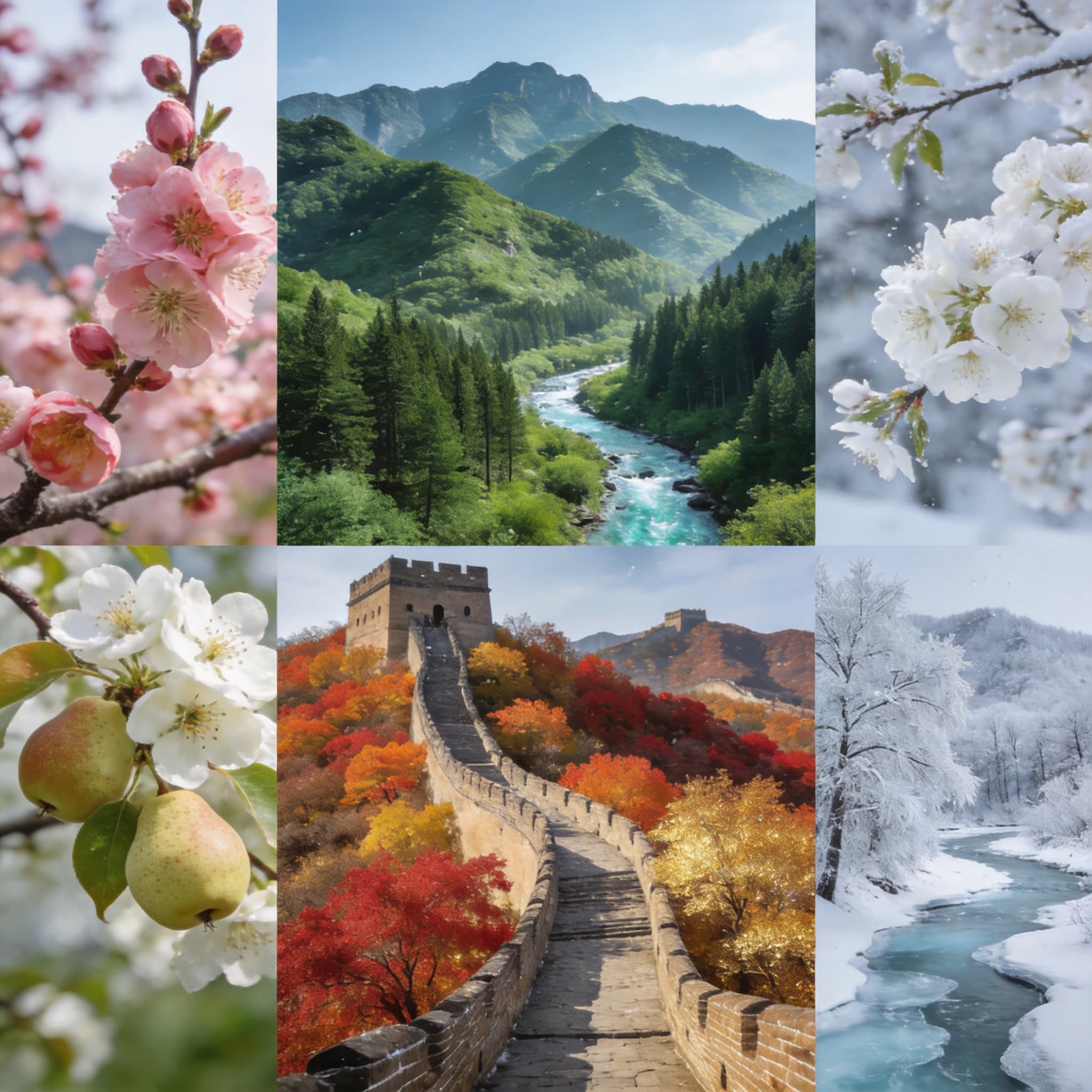
If you want the short answer, choose April to May or September to October.
That advice still holds in 2026 because China is huge, but the travel logic is simple: spring and autumn usually give you the best balance of weather, visibility, walking conditions, and crowd control. Winter can be excellent if you want snow, ice, or lower prices. Summer can work, but you need to accept heat, humidity, and school-holiday crowds in the most visited cities.
The bigger mistake is treating China like one climate. Beijing, Shanghai, Xi’an, Guilin, Chengdu, Yunnan, Tibet, Harbin, and Hainan are all on different weather calendars. The right month depends on what you want to do.
The quick version
| Time of year | Best for | Avoid if you hate |
|---|---|---|
| April-May | Most first trips, city walking, the Great Wall, gardens, western China | Rain starting in the south, higher hotel prices around Labor Day |
| September-October | Clear skies, comfortable temperatures, photography, hiking | National Day crowds in early October |
| November | Fewer crowds, crisp air in the north, good museum weather | Colder evenings, shorter days |
| December-February | Harbin, winter food, museums, lower off-season rates | Cold north China, Spring Festival travel chaos |
| June-August | Yunnan, Tibet, mountain trips, family travel | Heat, humidity, typhoons in the south, domestic holiday crowds |
Why spring works so well
Spring is the easiest season for a first trip because most of the classic China itinerary becomes comfortable at the same time. Beijing is walkable again after winter. Xi’an is pleasant for the city walls and the Terracotta Warriors. Shanghai stops feeling sticky. In places like Hangzhou, Suzhou, Guilin, and the gardens of Jiangnan, spring gives you the best mix of greenery and usable weather.
It is also the season when you can move around the country without constantly planning around air-conditioning, monsoon rain, or heavy winter clothing. If your itinerary includes a lot of outdoor sightseeing, spring is usually the lowest-risk choice.
Why autumn is even better for some travelers
Autumn is the season that many repeat visitors prefer. The air is cleaner in the north, the light is better for photos, and long-distance train travel feels less tiring when you are not sweating through every transfer.
For Beijing and northern China, late September and most of October are close to ideal. For the Great Wall, this is the best hiking and photography window. For central and eastern China, autumn is also strong because the weather stays mild enough for city walking but cool enough that you can spend a whole day outside without checking the temperature every hour.
The only catch is the first week of October, when National Day holiday travel can turn the country into a moving queue.
Month by month
January-February
This is winter travel, so the answer depends on what you want.
Northern China is cold, dry, and often the least forgiving part of the year. Beijing can still be good if you are comfortable with cold mornings and want lower tourist volume, but it is not the season for long outdoor days. Harbin and the wider northeast are the exception. If you want ice festivals, snow scenes, and winter-city atmosphere, this is the moment.
The biggest warning is the Spring Festival travel period, which usually falls in late January or February. Train stations, airports, and hotel prices can all become difficult. If you are trying to see a normal version of China, this is the week to avoid.
March
March is a transition month. It can be a smart time to visit southern cities, but northern destinations may still feel raw and windy. It is often a good shoulder-season choice if you want to beat the main crowds and do not mind some unpredictability.
April-May
This is one of the two safest bets for the whole country. April is especially good for Beijing, Xi’an, the Great Wall, Shanghai, Hangzhou, Suzhou, and many classical garden cities. May is still excellent, but you should watch the Labor Day holiday at the start of the month.
If you are planning a classic first trip, this is probably the best overall window.
June-August
Summer is not bad everywhere, but it is the season that punishes vague planning.
Shanghai, Guangzhou, Shenzhen, and much of eastern and southern China can feel hot, humid, and occasionally stormy. Domestic travel also rises because school is out. If you are sensitive to heat, this is not the time to build a trip around long outdoor days in big cities.
That said, summer is useful for some routes. Yunnan, parts of Sichuan, Qinghai, and higher-altitude areas can be very appealing. Tibet is also easier to combine with a summer trip if you want milder temperatures than winter brings, though weather and logistics still need checking carefully.
September-October
This is the other best window, and for some travelers it is the best of all.
September is usually a sweet spot for clear skies and comfortable temperatures. Early October can be a problem because of National Day, but after the holiday rush, the season settles back down quickly. If you want a cleaner, calmer version of northern China, this is the month to aim for.
November
November is underrated. The crowds thin out, hotel rates often soften, and many cities still feel comfortable during the day. The tradeoff is shorter daylight and colder evenings, especially in the north.
It is a good month for travelers who care more about museums, food, and urban neighborhoods than about perfect outdoor weather.
December
December is not the prettiest month, but it can be practical. You will get winter air in the north, lower tourist volume, and a more local pace in the big cities. If your trip centers on indoor culture, food, shopping, and museums, December can be a decent value month.
Best time by region
Beijing, Xi’an, and northern China
Go in April-May or late September to mid-October.
These cities reward dry weather and clear light. The Great Wall is better when you can actually enjoy the walk instead of rushing through heat or wind. In winter, the cold is manageable if you are prepared, but spring and autumn are much easier.
Shanghai, Suzhou, Hangzhou, and the east coast
Go in April-May or October-November.
This part of China is at its best when the air is mild and the humidity is not working against you. Summer can be oppressive, especially in Shanghai, where the heat often feels heavier than the temperature suggests.
Guilin, Yangshuo, and southern scenic China
Go in March-April or October-November.
The landscape matters more here than the city grid, so weather and visibility count. Spring gives you lush scenery. Autumn usually gives you clearer conditions and more comfortable boat or cycling days.
Chengdu and southwest China
Go in March-May or September-November.
Chengdu is not extreme, but the wider southwest is more pleasant when rain is lighter and mountain travel is less annoying. If your trip includes Sichuan side trips, autumn is especially strong.
Yunnan and Tibet
Go in April-June or September-October.
Yunnan is one of the best all-round regions in China because the elevation smooths out the heat. Tibet is more sensitive to weather and altitude, so shoulder seasons are usually the safest compromise. If you are hoping for high-altitude clarity, autumn is often the cleaner choice.
Harbin and the northeast
Go in December-February for winter, or May-September for normal sightseeing.
Harbin is a winter destination first and a city destination second. If you want the ice-and-snow experience, do not come in summer and expect the same mood.
Hainan
Go in November-March.
If you want beaches and warm weather, Hainan is the exception to the “avoid winter” rule. It is China’s easiest tropical escape, and winter is when it makes the most sense.
The dates to avoid
If you can, avoid traveling during or around these periods:
Spring Festival : Usually late January or February. This is the biggest travel movement of the year.
Qingming Festival : Early April.
Labor Day : Around May 1 to 5.
Dragon Boat Festival : Usually in June.
Mid-Autumn Festival : Usually in September or October.
National Day Golden Week : October 1 to 7.
The practical issue is not just crowds. Trains sell out, hotels tighten inventory, and popular sights become more difficult to enjoy even if you plan well.
A note for 2026 planning
China has continued expanding visa-free access and transit options for selected passports, which makes short trips easier than they used to be. But entry rules still depend on your passport and itinerary, so check the current requirements before you book anything nonrefundable.
For most travelers, the season logic has not changed: choose spring or autumn unless you have a reason not to.
Bottom line
If you want one month, choose October after the National Day rush, or April before the summer heat starts.
If you want the safest general answer, pick April-May or September-October. That is still the most reliable way to see China well without fighting the weather.
Advertisement
ChinaTravel Editorial Desk
Maintains practical destination and trip-planning information for English-speaking visitors. Time-sensitive details should be checked with official sources.