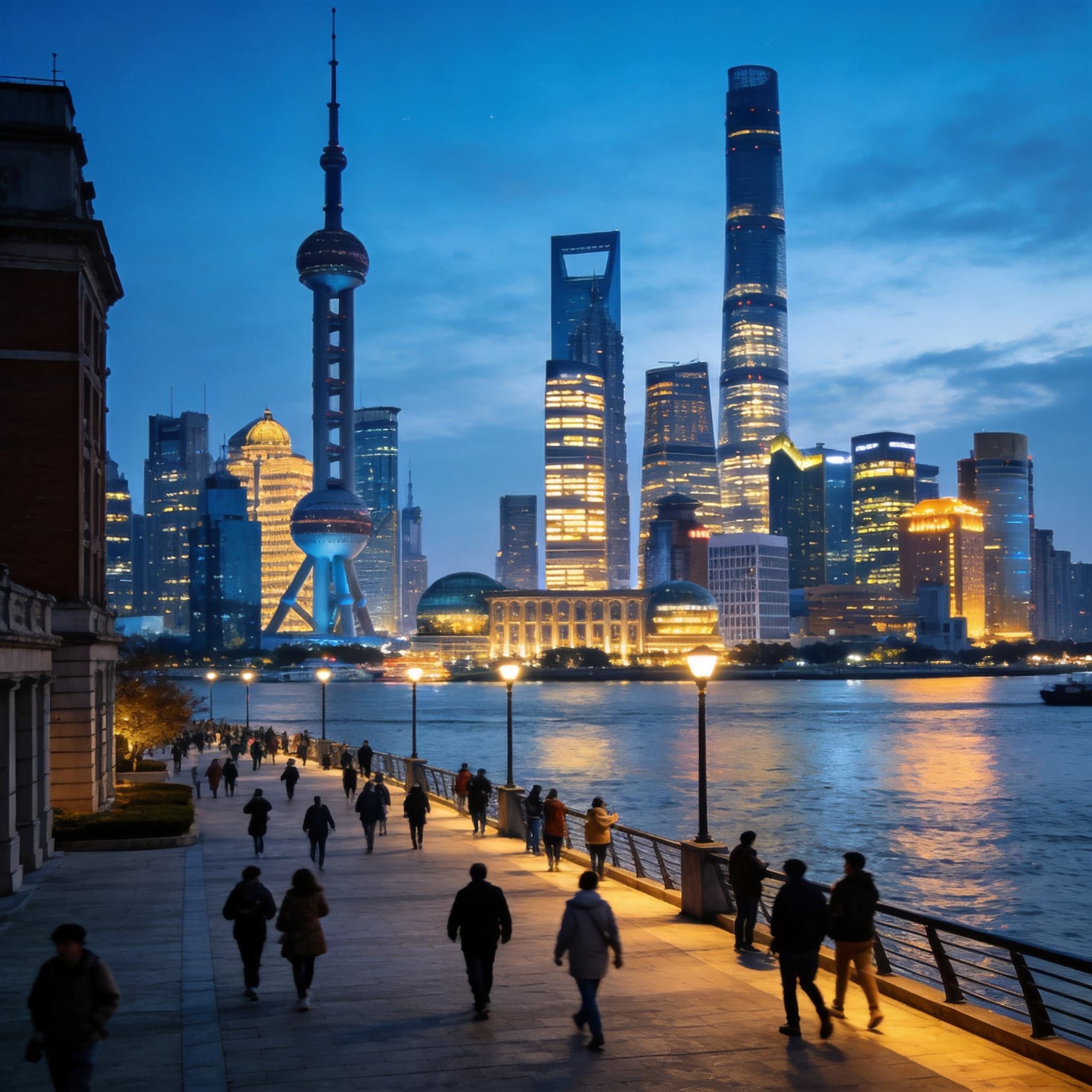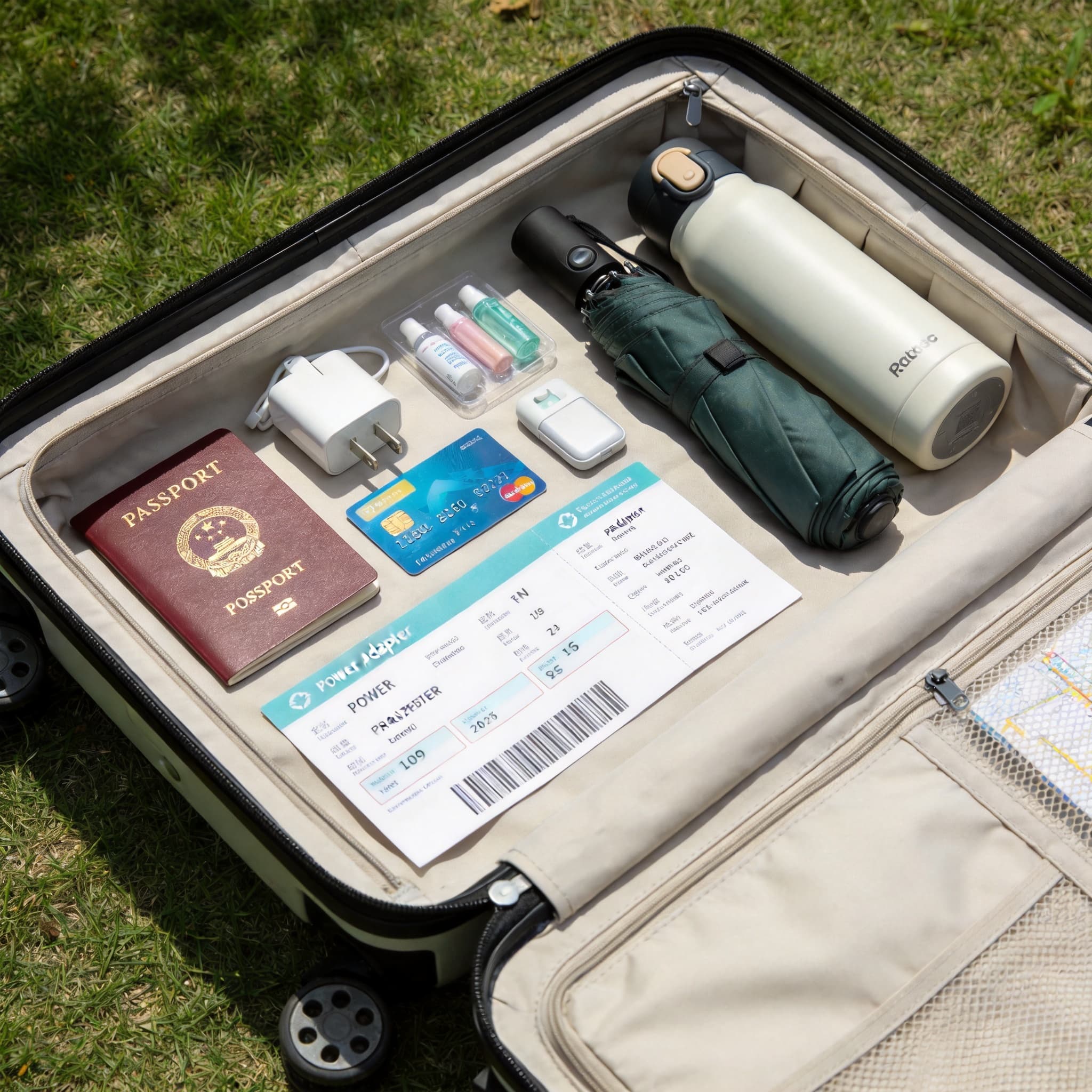
You do not need to speak fluent Mandarin to travel comfortably in China. Learning a small collection of practical phrases can make everyday situations much easier, from greeting people and ordering food to asking for directions, taking a taxi and handling emergencies.
Most people working in international hotels, major airports and popular attractions may know some English, but English is less widely spoken in smaller restaurants, local shops, railway stations and rural areas. Even a few words of Mandarin can help you communicate more clearly and show respect for the local culture.
This guide includes the Chinese characters, pinyin pronunciation and English meaning of the most useful phrases for travelers.
Quick tip: Save the Chinese characters on your phone. If your pronunciation is not understood, show the written phrase to the person you are speaking with.
1. Basic Chinese Pronunciation
Mandarin Chinese uses tones, which means that the pitch of a syllable can change its meaning. Pinyin is the standard system for writing Chinese pronunciation with the Latin alphabet.
Mandarin has four main tones:
- First tone: high and level — mā
- Second tone: rising — má
- Third tone: falling and then rising — mǎ
- Fourth tone: sharp and falling — mà
There is also a light or neutral tone.
Do not worry if your tones are not perfect. Speak slowly, use short phrases and show the written Chinese characters when necessary.
2. Greetings and Polite Expressions
| English | Chinese | Pinyin |
|---|---|---|
| Hello | 你好 | Nǐ hǎo |
| Hello, everyone | 大家好 | Dàjiā hǎo |
| Good morning | 早上好 | Zǎoshang hǎo |
| Good afternoon | 下午好 | Xiàwǔ hǎo |
| Good evening | 晚上好 | Wǎnshang hǎo |
| Goodbye | 再见 | Zàijiàn |
| Thank you | 谢谢 | Xièxie |
| You’re welcome | 不客气 | Bú kèqi |
| Please | 请 | Qǐng |
| Excuse me | 不好意思 | Bù hǎoyìsi |
| Sorry | 对不起 | Duìbuqǐ |
| It’s all right | 没关系 | Méi guānxi |
| No problem | 没问题 | Méi wèntí |
| Nice to meet you | 很高兴认识你 | Hěn gāoxìng rènshi nǐ |
| Please wait a moment | 请等一下 | Qǐng děng yíxià |
| Please help me | 请帮帮我 | Qǐng bāngbang wǒ |
The Most Useful Polite Words
The three expressions you will probably use most often are:
- 你好 — Nǐ hǎo — Hello
- 谢谢 — Xièxie — Thank you
- 不好意思 — Bù hǎoyìsi — Excuse me / Sorry
不好意思 is especially versatile. You can use it to get someone’s attention, apologize for a small inconvenience or begin a question politely.
3. When You Do Not Understand
| English | Chinese | Pinyin |
|---|---|---|
| I don’t understand | 我听不懂 | Wǒ tīng bù dǒng |
| I don’t speak Chinese | 我不会说中文 | Wǒ bú huì shuō Zhōngwén |
| Do you speak English? | 你会说英语吗? | Nǐ huì shuō Yīngyǔ ma? |
| Please speak more slowly | 请说慢一点 | Qǐng shuō màn yìdiǎn |
| Please say it again | 请再说一遍 | Qǐng zài shuō yí biàn |
| What does this mean? | 这是什么意思? | Zhè shì shénme yìsi? |
| How do you say this in Chinese? | 这个用中文怎么说? | Zhège yòng Zhōngwén zěnme shuō? |
| Can you write it down? | 可以写下来吗? | Kěyǐ xiě xiàlai ma? |
| Can you type it on my phone? | 可以在我手机上打出来吗? | Kěyǐ zài wǒ shǒujī shàng dǎ chūlai ma? |
| Please show me | 请给我看一下 | Qǐng gěi wǒ kàn yíxià |
| I understand | 我明白了 | Wǒ míngbai le |
| I still don’t understand | 我还是不明白 | Wǒ háishi bù míngbai |
A Simple Communication Strategy
If someone does not understand you:
- Use a shorter sentence.
- Speak slowly without raising your voice.
- Show the Chinese characters on your phone.
- Use a translation app.
- Show a photograph, address or map location.
- Ask the person to type the answer into your phone.
4. Essential Question Words
These words can help you recognize basic questions and construct simple sentences.
| English | Chinese | Pinyin |
|---|---|---|
| What? | 什么? | Shénme? |
| Where? | 哪里? | Nǎlǐ? |
| Who? | 谁? | Shéi? |
| When? | 什么时候? | Shénme shíhou? |
| Why? | 为什么? | Wèishénme? |
| How? | 怎么? | Zěnme? |
| How much? | 多少钱? | Duōshao qián? |
| How many? | 多少? | Duōshao? |
| Which one? | 哪一个? | Nǎ yí ge? |
| Is it possible? | 可以吗? | Kěyǐ ma? |
5. Yes, No and Common Answers
| English | Chinese | Pinyin |
|---|---|---|
| Yes / Correct | 对 | Duì |
| No / Incorrect | 不对 | Bú duì |
| Okay | 好 | Hǎo |
| All right | 好的 | Hǎo de |
| Not okay | 不可以 | Bù kěyǐ |
| I want it | 我要 | Wǒ yào |
| I don’t want it | 我不要 | Wǒ bú yào |
| I have it | 我有 | Wǒ yǒu |
| I don’t have it | 我没有 | Wǒ méiyǒu |
| I know | 我知道 | Wǒ zhīdào |
| I don’t know | 我不知道 | Wǒ bù zhīdào |
| I can | 我可以 | Wǒ kěyǐ |
| I can’t | 我不可以 | Wǒ bù kěyǐ |
| That’s enough | 够了 | Gòu le |
| A little | 一点 | Yìdiǎn |
| Very good | 很好 | Hěn hǎo |
6. Asking for Directions
| English | Chinese | Pinyin |
|---|---|---|
| Excuse me, where is this place? | 不好意思,请问这个地方在哪里? | Bù hǎoyìsi, qǐngwèn zhège dìfang zài nǎlǐ? |
| Where is the metro station? | 地铁站在哪里? | Dìtiě zhàn zài nǎlǐ? |
| Where is the railway station? | 火车站在哪里? | Huǒchē zhàn zài nǎlǐ? |
| Where is the bus stop? | 公交车站在哪里? | Gōngjiāochē zhàn zài nǎlǐ? |
| Where is the airport? | 机场在哪里? | Jīchǎng zài nǎlǐ? |
| Where is the entrance? | 入口在哪里? | Rùkǒu zài nǎlǐ? |
| Where is the exit? | 出口在哪里? | Chūkǒu zài nǎlǐ? |
| Where is the toilet? | 洗手间在哪里? | Xǐshǒujiān zài nǎlǐ? |
| How can I get there? | 我怎么去那里? | Wǒ zěnme qù nàlǐ? |
| Is it far from here? | 离这里远吗? | Lí zhèlǐ yuǎn ma? |
| Is it within walking distance? | 可以走路去吗? | Kěyǐ zǒulù qù ma? |
| How long does it take? | 需要多长时间? | Xūyào duō cháng shíjiān? |
| Am I going in the right direction? | 我走的方向对吗? | Wǒ zǒu de fāngxiàng duì ma? |
| Please show me on the map | 请在地图上指给我看 | Qǐng zài dìtú shàng zhǐ gěi wǒ kàn |
Direction Words
| English | Chinese | Pinyin |
|---|---|---|
| Left | 左边 | Zuǒbian |
| Right | 右边 | Yòubian |
| Straight ahead | 一直走 | Yìzhí zǒu |
| In front | 前面 | Qiánmiàn |
| Behind | 后面 | Hòumiàn |
| Opposite | 对面 | Duìmiàn |
| Next to | 旁边 | Pángbiān |
| Near | 附近 | Fùjìn |
| Far | 远 | Yuǎn |
| Here | 这里 | Zhèlǐ |
| There | 那里 | Nàlǐ |
| Upstairs | 楼上 | Lóushàng |
| Downstairs | 楼下 | Lóuxià |
| Inside | 里面 | Lǐmiàn |
| Outside | 外面 | Wàimiàn |
7. Using the Metro and Bus
| English | Chinese | Pinyin |
|---|---|---|
| I want to go to this station | 我要去这个站 | Wǒ yào qù zhège zhàn |
| Which line should I take? | 我应该坐几号线? | Wǒ yīnggāi zuò jǐ hào xiàn? |
| Where do I change lines? | 我在哪里换乘? | Wǒ zài nǎlǐ huànchéng? |
| Which direction should I take? | 我应该坐哪个方向? | Wǒ yīnggāi zuò nǎge fāngxiàng? |
| Which exit should I use? | 我应该走哪个出口? | Wǒ yīnggāi zǒu nǎge chūkǒu? |
| Does this train go to this station? | 这趟车到这个站吗? | Zhè tàng chē dào zhège zhàn ma? |
| Where can I buy a ticket? | 在哪里可以买票? | Zài nǎlǐ kěyǐ mǎi piào? |
| How much is the fare? | 车票多少钱? | Chēpiào duōshao qián? |
| This is my stop | 这是我要下车的站 | Zhè shì wǒ yào xiàchē de zhàn |
| Please tell me when we arrive | 到了请告诉我 | Dào le qǐng gàosu wǒ |
8. Taking a Taxi or Ride-Hailing Car
| English | Chinese | Pinyin |
|---|---|---|
| Please take me to this address | 请带我去这个地址 | Qǐng dài wǒ qù zhège dìzhǐ |
| Please take me to this hotel | 请带我去这家酒店 | Qǐng dài wǒ qù zhè jiā jiǔdiàn |
| Please follow the navigation | 请按导航走 | Qǐng àn dǎoháng zǒu |
| Please stop here | 请在这里停车 | Qǐng zài zhèlǐ tíngchē |
| Please stop at the entrance | 请在入口停车 | Qǐng zài rùkǒu tíngchē |
| How much will it cost? | 大概多少钱? | Dàgài duōshao qián? |
| How long will it take? | 大概需要多长时间? | Dàgài xūyào duō cháng shíjiān? |
| Is this the correct car? | 这是我叫的车吗? | Zhè shì wǒ jiào de chē ma? |
| I am at the pickup point | 我在上车点 | Wǒ zài shàngchē diǎn |
| I cannot find you | 我找不到你 | Wǒ zhǎo bú dào nǐ |
| Please wait for me for a moment | 请等我一下 | Qǐng děng wǒ yíxià |
| Please turn on the meter | 请打表 | Qǐng dǎ biǎo |
| Can I pay with Alipay? | 可以用支付宝吗? | Kěyǐ yòng Zhīfùbǎo ma? |
| Can I pay in cash? | 可以付现金吗? | Kěyǐ fù xiànjīn ma? |
Travel tip: Keep your destination’s Chinese name and complete address on your phone. Showing the written address is usually more reliable than trying to pronounce it.
9. At the Railway Station
| English | Chinese | Pinyin |
|---|---|---|
| Where is the railway station entrance? | 火车站入口在哪里? | Huǒchē zhàn rùkǒu zài nǎlǐ? |
| Where is the security check? | 安检在哪里? | Ānjiǎn zài nǎlǐ? |
| Where is the waiting hall? | 候车室在哪里? | Hòuchēshì zài nǎlǐ? |
| Where is the ticket gate? | 检票口在哪里? | Jiǎnpiàokǒu zài nǎlǐ? |
| Which ticket gate should I use? | 我应该去哪个检票口? | Wǒ yīnggāi qù nǎge jiǎnpiàokǒu? |
| Which platform should I go to? | 我应该去哪个站台? | Wǒ yīnggāi qù nǎge zhàntái? |
| Has boarding started? | 开始检票了吗? | Kāishǐ jiǎnpiào le ma? |
| Is the train delayed? | 火车晚点了吗? | Huǒchē wǎndiǎn le ma? |
| Where is my carriage? | 我的车厢在哪里? | Wǒ de chēxiāng zài nǎlǐ? |
| Where is my seat? | 我的座位在哪里? | Wǒ de zuòwèi zài nǎlǐ? |
| I think this is my seat | 我想这是我的座位 | Wǒ xiǎng zhè shì wǒ de zuòwèi |
| I missed my train | 我没赶上火车 | Wǒ méi gǎnshàng huǒchē |
| Can I change my ticket? | 我可以改签吗? | Wǒ kěyǐ gǎiqiān ma? |
| Can I get a refund? | 我可以退票吗? | Wǒ kěyǐ tuìpiào ma? |
Useful Railway Words
- High-speed train — 高铁 — Gāotiě
- Train ticket — 火车票 — Huǒchēpiào
- Passport — 护照 — Hùzhào
- Waiting hall — 候车室 — Hòuchēshì
- Ticket gate — 检票口 — Jiǎnpiàokǒu
- Platform — 站台 — Zhàntái
- Carriage — 车厢 — Chēxiāng
- Seat — 座位 — Zuòwèi
- Window seat — 靠窗座位 — Kàochuāng zuòwèi
- Aisle seat — 靠过道座位 — Kào guòdào zuòwèi
- Departure — 出发 — Chūfā
- Arrival — 到达 — Dàodá
- Delayed — 晚点 — Wǎndiǎn
10. At the Airport
| English | Chinese | Pinyin |
|---|---|---|
| Where is the check-in counter? | 值机柜台在哪里? | Zhíjī guìtái zài nǎlǐ? |
| Where is the departure hall? | 出发大厅在哪里? | Chūfā dàtīng zài nǎlǐ? |
| Where is the arrival hall? | 到达大厅在哪里? | Dàodá dàtīng zài nǎlǐ? |
| Where is the security checkpoint? | 安检口在哪里? | Ānjiǎnkǒu zài nǎlǐ? |
| Where is the boarding gate? | 登机口在哪里? | Dēngjīkǒu zài nǎlǐ? |
| What time does boarding begin? | 几点开始登机? | Jǐ diǎn kāishǐ dēngjī? |
| Is the flight delayed? | 航班延误了吗? | Hángbān yánwù le ma? |
| My flight has been cancelled | 我的航班取消了 | Wǒ de hángbān qǔxiāo le |
| Where can I collect my luggage? | 在哪里取行李? | Zài nǎlǐ qǔ xíngli? |
| My luggage is missing | 我的行李不见了 | Wǒ de xíngli bú jiàn le |
| My luggage is damaged | 我的行李坏了 | Wǒ de xíngli huài le |
| Where can I take a taxi? | 在哪里可以坐出租车? | Zài nǎlǐ kěyǐ zuò chūzūchē? |
| Where can I take the airport bus? | 机场大巴在哪里? | Jīchǎng dàbā zài nǎlǐ? |
11. At a Hotel
| English | Chinese | Pinyin |
|---|---|---|
| I have a reservation | 我有预订 | Wǒ yǒu yùdìng |
| The reservation is under this name | 预订用的是这个名字 | Yùdìng yòng de shì zhège míngzi |
| Here is my passport | 这是我的护照 | Zhè shì wǒ de hùzhào |
| I would like to check in | 我想办理入住 | Wǒ xiǎng bànlǐ rùzhù |
| I would like to check out | 我想退房 | Wǒ xiǎng tuìfáng |
| What time is check-out? | 几点退房? | Jǐ diǎn tuìfáng? |
| Is breakfast included? | 包含早餐吗? | Bāohán zǎocān ma? |
| What time is breakfast? | 早餐几点开始? | Zǎocān jǐ diǎn kāishǐ? |
| What is the Wi-Fi password? | 无线网络密码是什么? | Wúxiàn wǎngluò mìmǎ shì shénme? |
| My room key does not work | 我的房卡不能用 | Wǒ de fángkǎ bù néng yòng |
| There is no hot water | 没有热水 | Méiyǒu rèshuǐ |
| The air conditioner is not working | 空调坏了 | Kōngtiáo huài le |
| The room is too noisy | 房间太吵了 | Fángjiān tài chǎo le |
| Can I change rooms? | 可以换房间吗? | Kěyǐ huàn fángjiān ma? |
| Can you store my luggage? | 可以帮我寄存行李吗? | Kěyǐ bāng wǒ jìcún xíngli ma? |
| Please help me call a taxi | 请帮我叫一辆出租车 | Qǐng bāng wǒ jiào yí liàng chūzūchē |
12. Ordering Food
| English | Chinese | Pinyin |
|---|---|---|
| A table for two, please | 两位,谢谢 | Liǎng wèi, xièxie |
| May I see the menu? | 可以看一下菜单吗? | Kěyǐ kàn yíxià càidān ma? |
| Do you have an English menu? | 有英文菜单吗? | Yǒu Yīngwén càidān ma? |
| Do you have a picture menu? | 有图片菜单吗? | Yǒu túpiàn càidān ma? |
| What do you recommend? | 你推荐什么? | Nǐ tuījiàn shénme? |
| I would like this one | 我要这个 | Wǒ yào zhège |
| I would like one portion | 我要一份 | Wǒ yào yí fèn |
| Please give me another one | 请再来一份 | Qǐng zài lái yí fèn |
| Not spicy, please | 请不要辣 | Qǐng bú yào là |
| A little spicy | 微辣 | Wēilà |
| Medium spicy | 中辣 | Zhōnglà |
| Very spicy | 特辣 | Tèlà |
| Please do not add chili | 请不要放辣椒 | Qǐng bú yào fàng làjiāo |
| Please do not add cilantro | 请不要放香菜 | Qǐng bú yào fàng xiāngcài |
| Please do not add MSG | 请不要放味精 | Qǐng bú yào fàng wèijīng |
| Please give me some water | 请给我一些水 | Qǐng gěi wǒ yìxiē shuǐ |
| The bill, please | 买单,谢谢 | Mǎidān, xièxie |
| Is there a service charge? | 有服务费吗? | Yǒu fúwùfèi ma? |
| Can I have a receipt? | 可以给我发票吗? | Kěyǐ gěi wǒ fāpiào ma? |
| It was delicious | 很好吃 | Hěn hǎochī |
Useful Food Words
| English | Chinese | Pinyin |
|---|---|---|
| Water | 水 | Shuǐ |
| Hot water | 热水 | Rèshuǐ |
| Tea | 茶 | Chá |
| Coffee | 咖啡 | Kāfēi |
| Rice | 米饭 | Mǐfàn |
| Noodles | 面条 | Miàntiáo |
| Dumplings | 饺子 | Jiǎozi |
| Vegetables | 蔬菜 | Shūcài |
| Fruit | 水果 | Shuǐguǒ |
| Chicken | 鸡肉 | Jīròu |
| Beef | 牛肉 | Niúròu |
| Pork | 猪肉 | Zhūròu |
| Lamb | 羊肉 | Yángròu |
| Fish | 鱼 | Yú |
| Egg | 鸡蛋 | Jīdàn |
| Peanuts | 花生 | Huāshēng |
| Chili | 辣椒 | Làjiāo |
| Cilantro | 香菜 | Xiāngcài |
| Beer | 啤酒 | Píjiǔ |
13. Dietary Restrictions and Allergies
If you have a serious allergy, prepare a professionally translated card explaining your condition. Do not rely exclusively on spoken communication or automatic translation.
| English | Chinese | Pinyin |
|---|---|---|
| I am vegetarian | 我吃素 | Wǒ chī sù |
| I do not eat meat | 我不吃肉 | Wǒ bù chī ròu |
| I do not eat pork | 我不吃猪肉 | Wǒ bù chī zhūròu |
| I do not eat beef | 我不吃牛肉 | Wǒ bù chī niúròu |
| I do not eat seafood | 我不吃海鲜 | Wǒ bù chī hǎixiān |
| I do not eat eggs | 我不吃鸡蛋 | Wǒ bù chī jīdàn |
| I do not drink alcohol | 我不喝酒 | Wǒ bù hē jiǔ |
| I am allergic to peanuts | 我对花生过敏 | Wǒ duì huāshēng guòmǐn |
| I am allergic to seafood | 我对海鲜过敏 | Wǒ duì hǎixiān guòmǐn |
| I am allergic to dairy products | 我对乳制品过敏 | Wǒ duì rǔzhìpǐn guòmǐn |
| Does this contain peanuts? | 这个含花生吗? | Zhège hán huāshēng ma? |
| Does this contain meat? | 这个里面有肉吗? | Zhège lǐmiàn yǒu ròu ma? |
| This is a serious allergy | 这是严重的过敏 | Zhè shì yánzhòng de guòmǐn |
| Please use separate utensils | 请使用单独的餐具 | Qǐng shǐyòng dāndú de cānjù |
Important: Saying “I do not eat meat” may not always be understood as excluding meat broth, animal fat or small pieces of meat. If necessary, specify every ingredient you must avoid.
14. Shopping and Prices
| English | Chinese | Pinyin |
|---|---|---|
| How much is this? | 这个多少钱? | Zhège duōshao qián? |
| That is too expensive | 太贵了 | Tài guì le |
| Can it be cheaper? | 可以便宜一点吗? | Kěyǐ piányi yìdiǎn ma? |
| Is there a discount? | 有折扣吗? | Yǒu zhékòu ma? |
| I’m just looking | 我只是看看 | Wǒ zhǐshì kànkan |
| I would like this one | 我要这个 | Wǒ yào zhège |
| I don’t want this one | 我不要这个 | Wǒ bú yào zhège |
| Do you have a larger size? | 有大一点的吗? | Yǒu dà yìdiǎn de ma? |
| Do you have a smaller size? | 有小一点的吗? | Yǒu xiǎo yìdiǎn de ma? |
| Do you have another color? | 有别的颜色吗? | Yǒu bié de yánsè ma? |
| Can I try it on? | 可以试穿吗? | Kěyǐ shìchuān ma? |
| Where is the fitting room? | 试衣间在哪里? | Shìyījiān zài nǎlǐ? |
| Can I return this? | 这个可以退吗? | Zhège kěyǐ tuì ma? |
| Can I exchange this? | 这个可以换吗? | Zhège kěyǐ huàn ma? |
| Can I have a bag? | 可以给我一个袋子吗? | Kěyǐ gěi wǒ yí ge dàizi ma? |
Numbers You Should Know
| Number | Chinese | Pinyin |
|---|---|---|
| 0 | 零 | Líng |
| 1 | 一 | Yī |
| 2 | 二 | Èr |
| 3 | 三 | Sān |
| 4 | 四 | Sì |
| 5 | 五 | Wǔ |
| 6 | 六 | Liù |
| 7 | 七 | Qī |
| 8 | 八 | Bā |
| 9 | 九 | Jiǔ |
| 10 | 十 | Shí |
| 20 | 二十 | Èrshí |
| 50 | 五十 | Wǔshí |
| 100 | 一百 | Yìbǎi |
| 1,000 | 一千 | Yìqiān |
When talking about quantities, you may hear 两 — liǎng instead of 二 — èr for the number two. For example, “two people” is 两个人 — liǎng ge rén.
15. Paying for Purchases
| English | Chinese | Pinyin |
|---|---|---|
| Can I pay with Alipay? | 可以用支付宝吗? | Kěyǐ yòng Zhīfùbǎo ma? |
| Can I pay with WeChat Pay? | 可以用微信支付吗? | Kěyǐ yòng Wēixìn Zhīfù ma? |
| Can I pay by card? | 可以刷卡吗? | Kěyǐ shuākǎ ma? |
| Can I pay in cash? | 可以付现金吗? | Kěyǐ fù xiànjīn ma? |
| Please scan my payment code | 请扫我的付款码 | Qǐng sǎo wǒ de fùkuǎnmǎ |
| Should I scan this code? | 我扫这个码吗? | Wǒ sǎo zhège mǎ ma? |
| The payment failed | 付款失败了 | Fùkuǎn shībài le |
| Please try again | 请再试一次 | Qǐng zài shì yí cì |
| Did the payment go through? | 付款成功了吗? | Fùkuǎn chénggōng le ma? |
| I have already paid | 我已经付过了 | Wǒ yǐjīng fù guo le |
| I need a receipt | 我需要收据 | Wǒ xūyào shōujù |
| I need an invoice | 我需要发票 | Wǒ xūyào fāpiào |
| Where is the ATM? | 自动取款机在哪里? | Zìdòng qǔkuǎnjī zài nǎlǐ? |
| Where can I exchange money? | 在哪里可以换钱? | Zài nǎlǐ kěyǐ huàn qián? |
16. Sightseeing and Attractions
| English | Chinese | Pinyin |
|---|---|---|
| Where is the ticket office? | 售票处在哪里? | Shòupiàochù zài nǎlǐ? |
| How much is the admission ticket? | 门票多少钱? | Ménpiào duōshao qián? |
| I would like one ticket | 我要一张票 | Wǒ yào yì zhāng piào |
| I would like two tickets | 我要两张票 | Wǒ yào liǎng zhāng piào |
| Do I need a reservation? | 需要预约吗? | Xūyào yùyuē ma? |
| I have a reservation | 我有预约 | Wǒ yǒu yùyuē |
| Here is my passport | 这是我的护照 | Zhè shì wǒ de hùzhào |
| What time does it open? | 几点开门? | Jǐ diǎn kāimén? |
| What time does it close? | 几点关门? | Jǐ diǎn guānmén? |
| Where is the main entrance? | 正门在哪里? | Zhèngmén zài nǎlǐ? |
| Are photographs allowed? | 可以拍照吗? | Kěyǐ pāizhào ma? |
| Can you take a photo for me? | 可以帮我拍张照片吗? | Kěyǐ bāng wǒ pāi zhāng zhàopiàn ma? |
| Is there an English guide? | 有英文导游吗? | Yǒu Yīngwén dǎoyóu ma? |
| Is there an audio guide? | 有语音导览吗? | Yǒu yǔyīn dǎolǎn ma? |
17. Medical Assistance and Pharmacies
| English | Chinese | Pinyin |
|---|---|---|
| I need a doctor | 我需要医生 | Wǒ xūyào yīshēng |
| Please call an ambulance | 请叫救护车 | Qǐng jiào jiùhùchē |
| Where is the nearest hospital? | 最近的医院在哪里? | Zuìjìn de yīyuàn zài nǎlǐ? |
| Where is the pharmacy? | 药店在哪里? | Yàodiàn zài nǎlǐ? |
| I feel unwell | 我不舒服 | Wǒ bù shūfu |
| I have a fever | 我发烧了 | Wǒ fāshāo le |
| I have a headache | 我头疼 | Wǒ tóuténg |
| My stomach hurts | 我肚子疼 | Wǒ dùzi téng |
| I feel dizzy | 我头晕 | Wǒ tóuyūn |
| I cannot breathe properly | 我呼吸困难 | Wǒ hūxī kùnnan |
| I need this medicine | 我需要这种药 | Wǒ xūyào zhè zhǒng yào |
| I am allergic to this medicine | 我对这种药过敏 | Wǒ duì zhè zhǒng yào guòmǐn |
| How often should I take it? | 多久吃一次? | Duōjiǔ chī yí cì? |
| How many tablets should I take? | 一次吃几片? | Yí cì chī jǐ piàn? |
| Do you have an English-speaking doctor? | 有会说英语的医生吗? | Yǒu huì shuō Yīngyǔ de yīshēng ma? |
| I have travel insurance | 我有旅行保险 | Wǒ yǒu lǚxíng bǎoxiǎn |
Emergency numbers in mainland China: Police: 110; Ambulance: 120; Fire: 119.
18. Emergencies and Problems
| English | Chinese | Pinyin |
|---|---|---|
| Help! | 救命! | Jiùmìng! |
| I need help | 我需要帮助 | Wǒ xūyào bāngzhù |
| Please call the police | 请报警 | Qǐng bàojǐng |
| Where is the police station? | 派出所在哪里? | Pàichūsuǒ zài nǎlǐ? |
| I am lost | 我迷路了 | Wǒ mílù le |
| I lost my passport | 我的护照丢了 | Wǒ de hùzhào diū le |
| I lost my wallet | 我的钱包丢了 | Wǒ de qiánbāo diū le |
| I lost my phone | 我的手机丢了 | Wǒ de shǒujī diū le |
| My bag was stolen | 我的包被偷了 | Wǒ de bāo bèi tōu le |
| My bank card was stolen | 我的银行卡被偷了 | Wǒ de yínhángkǎ bèi tōu le |
| I need to contact my embassy | 我需要联系我的大使馆 | Wǒ xūyào liánxì wǒ de dàshǐguǎn |
| Please take me to the hospital | 请带我去医院 | Qǐng dài wǒ qù yīyuàn |
| Please write down your name and phone number | 请写下你的名字和电话号码 | Qǐng xiěxià nǐ de míngzi hé diànhuà hàomǎ |
| Please do not leave | 请不要离开 | Qǐng bú yào líkāi |
19. Internet and Mobile Phones
| English | Chinese | Pinyin |
|---|---|---|
| What is the Wi-Fi password? | 无线网络密码是什么? | Wúxiàn wǎngluò mìmǎ shì shénme? |
| Is there free Wi-Fi? | 有免费无线网络吗? | Yǒu miǎnfèi wúxiàn wǎngluò ma? |
| The internet is not working | 网络不能用 | Wǎngluò bù néng yòng |
| Can I charge my phone here? | 可以在这里给手机充电吗? | Kěyǐ zài zhèlǐ gěi shǒujī chōngdiàn ma? |
| Do you have a charger? | 有充电器吗? | Yǒu chōngdiànqì ma? |
| Do you have a power bank? | 有充电宝吗? | Yǒu chōngdiànbǎo ma? |
| Where can I buy a SIM card? | 在哪里可以买电话卡? | Zài nǎlǐ kěyǐ mǎi diànhuàkǎ? |
| I need mobile data | 我需要手机流量 | Wǒ xūyào shǒujī liúliàng |
| My phone has no signal | 我的手机没有信号 | Wǒ de shǒujī méiyǒu xìnhào |
| Can you connect me to the Wi-Fi? | 可以帮我连接无线网络吗? | Kěyǐ bāng wǒ liánjiē wúxiàn wǎngluò ma? |
20. Time and Dates
| English | Chinese | Pinyin |
|---|---|---|
| What time is it? | 现在几点? | Xiànzài jǐ diǎn? |
| Today | 今天 | Jīntiān |
| Tomorrow | 明天 | Míngtiān |
| Yesterday | 昨天 | Zuótiān |
| Morning | 早上 | Zǎoshang |
| Afternoon | 下午 | Xiàwǔ |
| Evening | 晚上 | Wǎnshang |
| Now | 现在 | Xiànzài |
| Later | 等一下 | Děng yíxià |
| What time does it begin? | 几点开始? | Jǐ diǎn kāishǐ? |
| What time does it finish? | 几点结束? | Jǐ diǎn jiéshù? |
| I am late | 我迟到了 | Wǒ chídào le |
| Please wait for ten minutes | 请等十分钟 | Qǐng děng shí fēnzhōng |
21. Social and Friendly Expressions
| English | Chinese | Pinyin |
|---|---|---|
| What is your name? | 你叫什么名字? | Nǐ jiào shénme míngzi? |
| My name is… | 我叫…… | Wǒ jiào… |
| Where are you from? | 你从哪里来? | Nǐ cóng nǎlǐ lái? |
| I am from… | 我来自…… | Wǒ láizì… |
| This is my first time in China | 这是我第一次来中国 | Zhè shì wǒ dì yí cì lái Zhōngguó |
| China is beautiful | 中国很美 | Zhōngguó hěn měi |
| I like this city | 我喜欢这个城市 | Wǒ xǐhuan zhège chéngshì |
| The food is delicious | 这里的食物很好吃 | Zhèlǐ de shíwù hěn hǎochī |
| May I take a photo? | 我可以拍照吗? | Wǒ kěyǐ pāizhào ma? |
| Can we take a photo together? | 我们可以一起拍照吗? | Wǒmen kěyǐ yìqǐ pāizhào ma? |
| See you next time | 下次见 | Xià cì jiàn |
| Have a nice day | 祝你今天愉快 | Zhù nǐ jīntiān yúkuài |
22. Ten Essential Phrases to Memorize
If you learn only ten phrases, start with these:
- 你好 — Nǐ hǎo — Hello
- 谢谢 — Xièxie — Thank you
- 不好意思 — Bù hǎoyìsi — Excuse me
- 我听不懂 — Wǒ tīng bù dǒng — I don’t understand
- 请说慢一点 — Qǐng shuō màn yìdiǎn — Please speak more slowly
- 洗手间在哪里?— Xǐshǒujiān zài nǎlǐ? — Where is the toilet?
- 这个多少钱?— Zhège duōshao qián? — How much is this?
- 我要这个 — Wǒ yào zhège — I would like this one
- 请带我去这个地址 — Qǐng dài wǒ qù zhège dìzhǐ — Please take me to this address
- 我需要帮助 — Wǒ xūyào bāngzhù — I need help
23. Practical Tips for Using Chinese Phrases
Keep Sentences Short
Short, direct sentences are easier for translation apps and easier for another person to understand.
Instead of saying:
“Would you mind telling me whether this train might possibly stop at Shanghai Hongqiao Station?”
Use:
“Does this train go to Shanghai Hongqiao?”
Show the Chinese Characters
Pronunciation can be difficult, especially when tones are unfamiliar. Save important phrases as text so you can display the Chinese characters.
Save Addresses in Chinese
For every hotel, attraction and railway station, keep:
- The Chinese name
- The complete Chinese address
- A map pin
- A screenshot
- The telephone number
Prepare Allergy and Medical Notes
A serious allergy or medical condition should be written clearly in Chinese before the trip. The note should explain:
- The substance or medicine involved
- The severity of the reaction
- Foods or ingredients that must be avoided
- What to do in an emergency
Download Offline Language Tools
Download Simplified Chinese in your translation app and test it in airplane mode. Also save screenshots of your most important phrases.
Be Patient and Polite
A smile, a greeting and a sincere 谢谢 — xièxie can make communication much easier. You do not need perfect grammar. The goal is to make your meaning clear.
Final Takeaway
A few carefully chosen Mandarin phrases can make traveling in China significantly easier. Focus first on greetings, directions, transport, food, payment and emergency language.
The most effective approach is to combine:
- A small set of memorized phrases
- Written Chinese characters saved on your phone
- A camera and conversation translation app
- Chinese addresses and map pins
- Prepared allergy or medical cards
- Patience, gestures and a friendly attitude
You do not need perfect pronunciation or advanced grammar. Speak slowly, keep your sentences simple and show the Chinese text whenever necessary. Even a basic effort to communicate in Mandarin is often appreciated and can make your journey more comfortable, independent and rewarding.
Advertisement
ChinaTravel Editorial Desk
Maintains practical destination and trip-planning information for English-speaking visitors. Time-sensitive details should be checked with official sources.
Compare Current Trip Options
Check live availability and the provider's current terms before booking.
Compare China Trip OptionsSponsored link — we may earn a commission at no extra cost to you.