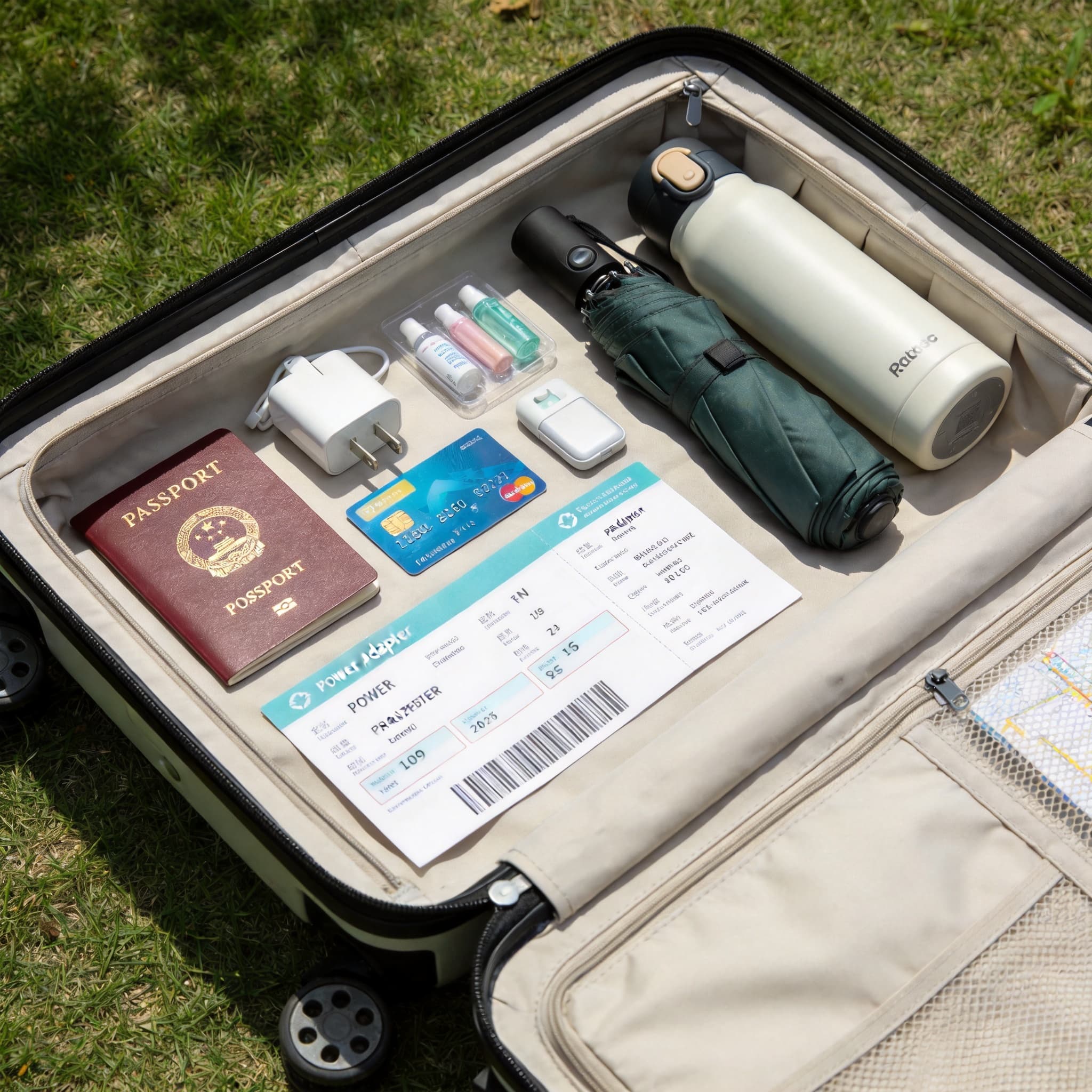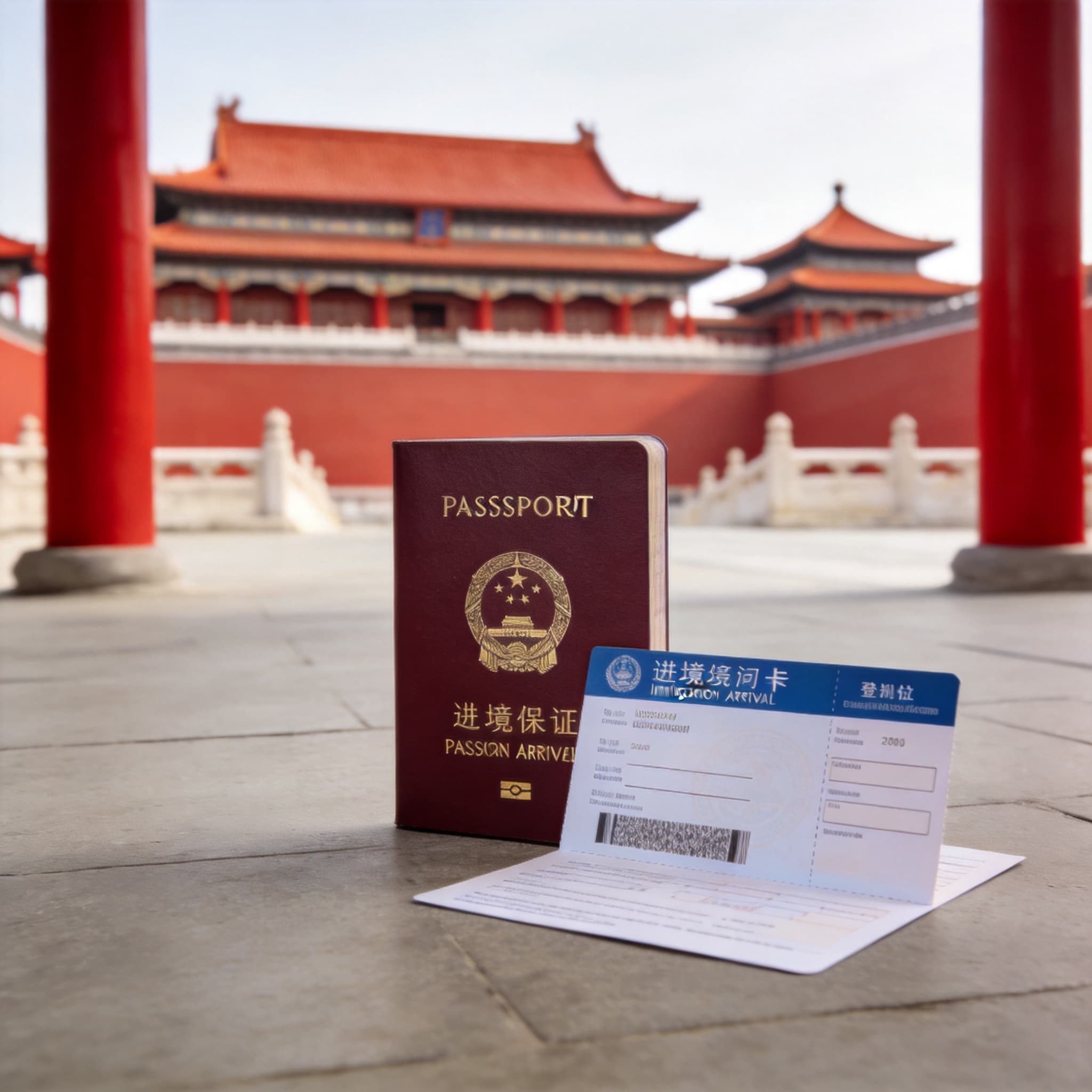
China continues to offer unilateral visa-free entry to eligible travelers in 2026. Under this policy, citizens of designated countries who hold valid ordinary passports may travel to China without applying for a visa in advance.
The policy is intended for short-term visits, including tourism, business, family and friend visits, exchange activities, and transit. Eligible travelers may stay in China for up to 30 days per entry.
This unilateral visa-free policy is different from China’s 240-hour visa-free transit policy. Travelers covered by the unilateral policy do not need to be traveling to a third country and are not limited to designated transit areas.
Key Policy Information
- Maximum stay: 30 days per entry
- Eligible passport: Valid ordinary passport
- Advance visa application: Not required
- Advance declaration to a Chinese embassy or consulate: Not required
- Permitted purposes: Tourism, business, visiting relatives or friends, exchange visits, and transit
- Permitted entry points: Sea, land, and air ports open to foreign nationals
- Travel area: Travelers may visit destinations across the Chinese mainland, except areas that are closed or require special permits
- Individual and group travel: Both are permitted
- Multiple entries: Currently permitted for eligible travelers, with no general limit on the number of entries or total visa-free stays
- Final admission decision: Made by Chinese border inspection authorities at the port of entry
Eligible Countries in 2026
As of 2026, China’s unilateral visa-free policy covers ordinary-passport holders from 50 countries.
Europe
- Andorra
- Austria
- Belgium
- Bulgaria
- Croatia
- Cyprus
- Denmark
- Estonia
- Finland
- France
- Germany
- Greece
- Hungary
- Iceland
- Ireland
- Italy
- Latvia
- Liechtenstein
- Luxembourg
- Malta
- Monaco
- Montenegro
- Netherlands
- North Macedonia
- Norway
- Poland
- Portugal
- Romania
- Russia
- Slovakia
- Slovenia
- Spain
- Sweden
- Switzerland
- United Kingdom
Asia
- Bahrain
- Brunei
- Japan
- Kuwait
- Oman
- Republic of Korea
- Saudi Arabia
Oceania
- Australia
- New Zealand
Americas
- Argentina
- Brazil
- Canada
- Chile
- Peru
- Uruguay
Policy Validity
The validity period is not identical for every eligible country.
- Brunei: The unilateral visa-free arrangement currently has no specified expiration date.
- Russia: The policy is valid through December 31, 2027.
- The other 48 countries: The policy is currently valid through December 31, 2026.
Canada and the United Kingdom were added to the unilateral visa-free program from February 17, 2026, with their current arrangements valid through December 31, 2026.
Because visa policies may be extended, changed, or replaced, travelers should check the latest official rules before departure.
How the 30-Day Stay Is Calculated
The visa-free stay is calculated from 00:00 on the day after entry.
For example, if a traveler enters China on June 1, the 30-day period begins at 00:00 on June 2. The traveler must leave before the authorized visa-free period expires.
The permitted stay applies to each qualifying entry. Travelers planning to remain in China for more than 30 days should apply for an appropriate visa before traveling.
If an eligible traveler enters visa-free and later needs to stay longer for a legitimate and sufficient reason, an extension may need to be requested from the local exit-entry administration authority. Approval is not automatic.
Which Chinese Cities Can Visa-Free Travelers Visit?
China’s unilateral visa-free policy is not limited to a specific list of cities.
Eligible travelers may generally visit destinations throughout the Chinese mainland, including:
- Beijing
- Shanghai
- Guangzhou
- Shenzhen
- Chengdu
- Chongqing
- Xi’an
- Hangzhou
- Suzhou
- Nanjing
- Guilin
- Kunming
- Xiamen
- Qingdao
- Harbin
- Zhangjiajie
- Dunhuang
- Kashgar
- Other destinations open to foreign visitors
Travelers may also move between different provinces and cities during the 30-day visa-free period.
Some border regions, military areas, nature reserves, and other restricted destinations may require a special permit or may not be open to foreign visitors. Local access rules still apply even when the traveler has entered China visa-free.
The policy described here concerns entry to the Chinese mainland. Hong Kong and Macao maintain separate immigration systems and entry rules.
Permitted Travel Purposes
Visa-free entry is available for the following short-term purposes:
Tourism
Eligible travelers may enter China for holidays, sightseeing, cultural experiences, independent travel, or organized tours.
Business
Travelers may attend business meetings, trade fairs, exhibitions, conferences, negotiations, and other permitted short-term commercial activities.
Visa-free entry does not automatically authorize employment or paid work in China.
Visiting Relatives or Friends
Travelers may use the policy to visit family members, relatives, or friends living in China.
Exchange Visits
Short-term cultural, educational, academic, or professional exchange activities may qualify. Certain conferences, exhibitions, sports competitions, and short study tours may also be covered if the stay does not exceed 30 days and the activity does not require a separate permit.
Transit
Eligible travelers may transit through China without a visa. Unlike the 240-hour visa-free transit policy, they are not required to continue to a third country or region when using the unilateral 30-day policy.
Documents to Prepare
Although eligible travelers do not need to apply for a visa in advance, they should carry documents that demonstrate the purpose and arrangements of the trip.
Recommended documents include:
- A valid ordinary passport
- Return or onward travel tickets
- Hotel reservations
- A travel itinerary
- An invitation letter for a business or private visit, if applicable
- Contact information for the inviting person or organization
- Documents relating to meetings, conferences, exhibitions, or exchange activities
- Proof of sufficient funds when requested
Chinese border inspection authorities may ask questions about the traveler’s intended activities, accommodation, length of stay, and departure arrangements.
Holding a passport from an eligible country does not guarantee admission. The final entry decision is made by border inspection officers in accordance with Chinese law.
Passport Requirements
The traveler must hold a valid ordinary passport issued by one of the eligible countries.
The passport should remain valid for the entire intended stay in China. Travelers should also check whether their airline applies any additional passport-validity requirements before boarding.
The unilateral visa-free policy generally does not apply to holders of:
- Emergency passports
- Temporary passports
- Refugee travel documents
- Other travel documents that are not recognized as ordinary passports
Travelers using these documents should confirm visa requirements with a Chinese embassy or consulate before departure.
Entry from a Third Country
Eligible travelers do not need to depart from their country of nationality.
They may travel to China from any foreign country or region, provided they:
- Hold an eligible ordinary passport
- Meet the permitted-purpose requirements
- Do not intend to stay longer than 30 days
- Satisfy normal Chinese entry requirements
A traveler may therefore fly from Europe to China, enter visa-free, and later return to Europe or continue to another destination. An onward journey to a third country is not required under the unilateral visa-free policy.
Multiple Entries
Eligible travelers may currently use the unilateral visa-free policy for multiple trips to China.
There is generally:
- No fixed minimum interval between visits
- No published limit on the number of visa-free entries
- No general cumulative limit on total visa-free days
However, every entry is subject to inspection and approval. Frequent or consecutive visits may lead border officers to examine whether the traveler is genuinely visiting for an eligible short-term purpose.
Visa-free entry must not be used to live, work, study, or conduct activities inconsistent with the declared purpose of entry.
Activities That Still Require a Visa
The unilateral visa-free policy does not normally cover:
- Employment or paid work
- Long-term study
- Journalism or news reporting
- Permanent residence
- Long-term family reunification
- Activities requiring prior approval from Chinese authorities
- Stays longer than 30 days
Travelers entering China for these purposes should obtain the appropriate visa or permit before departure.
Accommodation Registration
Foreign travelers must complete accommodation registration while staying in China.
- Hotel guests: Registration is normally completed by the hotel during check-in.
- Private accommodation: Travelers staying in a private home, apartment, or with friends or relatives may need to register with the local public security authority or through an available online registration service.
Travelers should confirm the local procedure shortly after arrival.
Unilateral Visa-Free Entry vs. 240-Hour Visa-Free Transit
These are two different policies.
Unilateral Visa-Free Entry
- Available only to citizens of designated countries
- Allows a stay of up to 30 days
- Does not require travel to a third country
- Allows tourism, business, family or friend visits, exchanges, and transit
- Generally permits travel throughout the Chinese mainland, subject to local restrictions
240-Hour Visa-Free Transit
- Available to a different list of eligible nationalities
- Allows a stay of up to 240 hours, or 10 days
- Requires confirmed onward travel to a third country or region
- Entry must be made through an eligible port
- Travel is limited to designated permitted areas
Travelers who qualify for the 30-day unilateral policy will normally use that policy rather than the more restrictive 240-hour transit arrangement.
Important Reminder
China’s visa-free arrangements may be extended or adjusted during 2026. Travelers should verify the following shortly before departure:
- Whether their nationality remains eligible
- Whether the policy is still valid on the planned entry date
- Whether their passport type qualifies
- Whether their travel purpose is permitted
- Whether their intended stay is within 30 days
- Whether any destination requires a special permit
- Whether the airline has additional documentation requirements
For the most reliable information, check with China’s National Immigration Administration, the Ministry of Foreign Affairs, or the nearest Chinese embassy or consulate before traveling.
Advertisement
ChinaTravel Editorial Desk
Maintains practical destination and trip-planning information for English-speaking visitors. Time-sensitive details should be checked with official sources.
Compare Current Trip Options
Check live availability and the provider's current terms before booking.
Compare China Trip OptionsSponsored link — we may earn a commission at no extra cost to you.